
The New Hospitality Layer: Designing Multi-Use Spaces
Hospitality spaces used to be defined by a single function. A restaurant served dinner. A café served coffee. A bar came alive at night. That model no longer holds.
The most compelling spaces today are layered. They shift throughout the day. They invite different types of engagement. They give people a reason to stay longer, return more often, and experience a space in more than one way. This is not a trend we are observing. It is a model we are actively building.
This approach builds on how we think about experience at a fundamental level, something we’ve explored in How We Design Hospitality Spaces People Return To.
The Shift Away From Single-Use Design
Single-use spaces are becoming increasingly difficult to sustain. Rising operational costs, changing guest behavior, and the demand for more dynamic environments have forced a shift in how hospitality spaces are conceived.
A restaurant alone is no longer enough. A bar alone is no longer enough. Operators are asking more from their spaces, and in turn, design has to do more. It is no longer about filling a room. It is about programming experience.
What Layered Hospitality Actually Means
Layered hospitality is not about adding more elements into a space. It is about designing environments that hold multiple identities at once. A single environment can function as a café in the morning, a social space in the afternoon, and a more intimate experience in the evening without ever feeling disconnected.
The goal is cohesion, not collision. Every layer should feel intentional, integrated, and necessary. It reflects a broader shift in how hospitality environments are conceived and experienced today.
Case Study: Designing a Layered Hospitality Environment
At the core of this approach is the idea that a single project can hold multiple experiences without feeling fragmented.
At Layla & Ringo’s, DJ’s Great Room, and The Anteroom, these elements are not separate concepts. They are part of a single, continuous environment designed to function as a layered hospitality ecosystem.
Layla & Ringo’s operates as a café and micro-grocer, grounding the space in daily ritual. It brings people in during the morning and throughout the day, creating a steady rhythm of use.
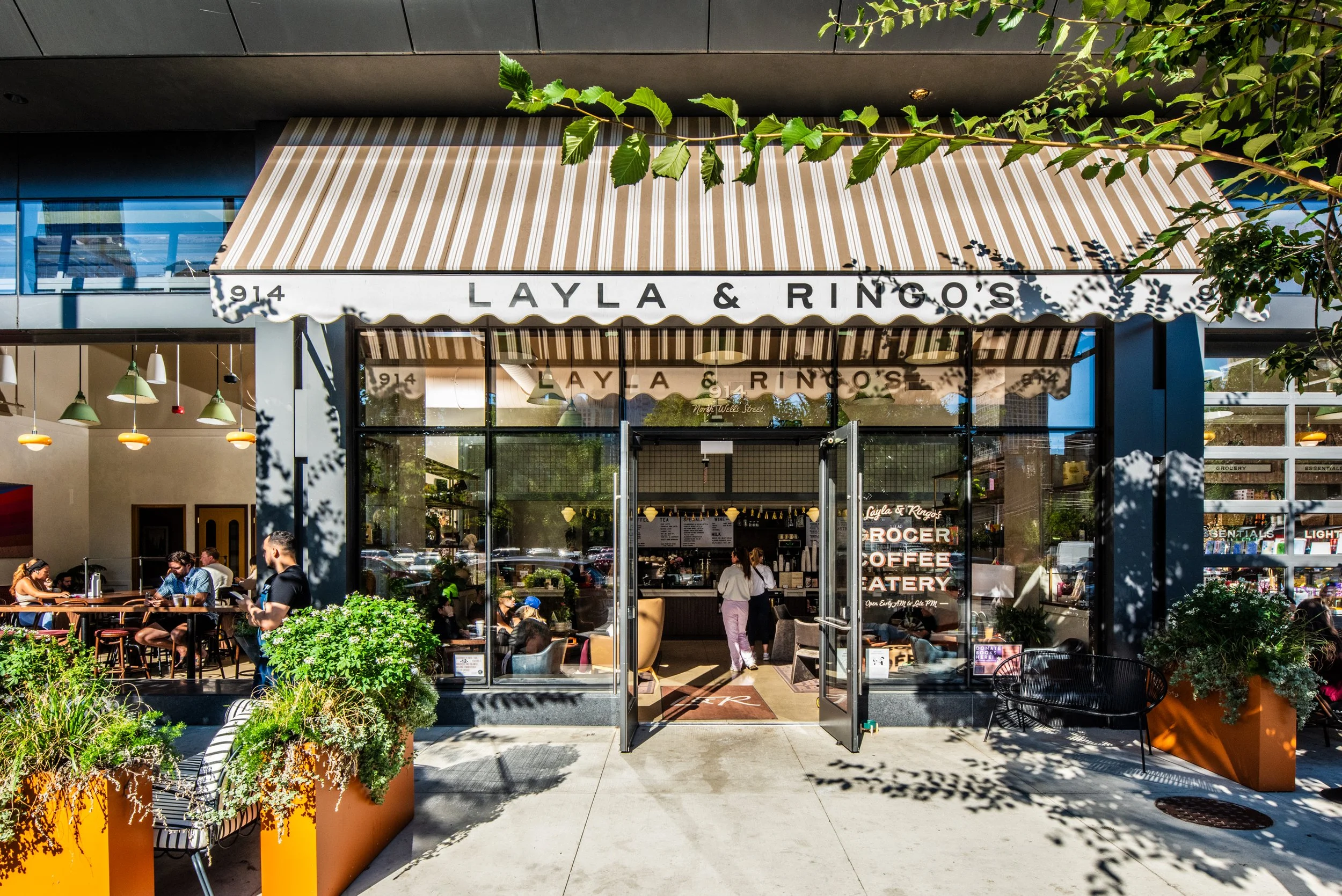
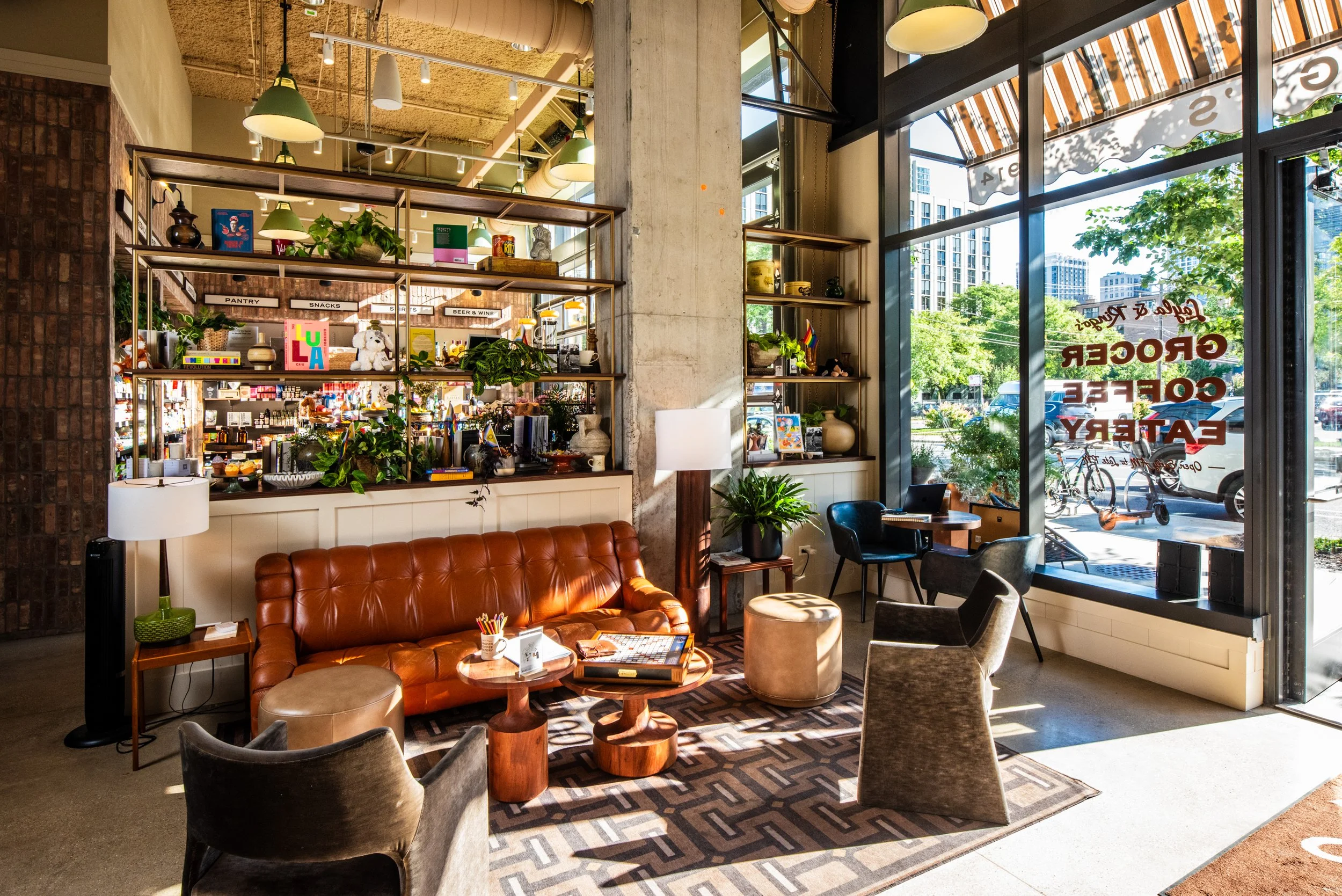
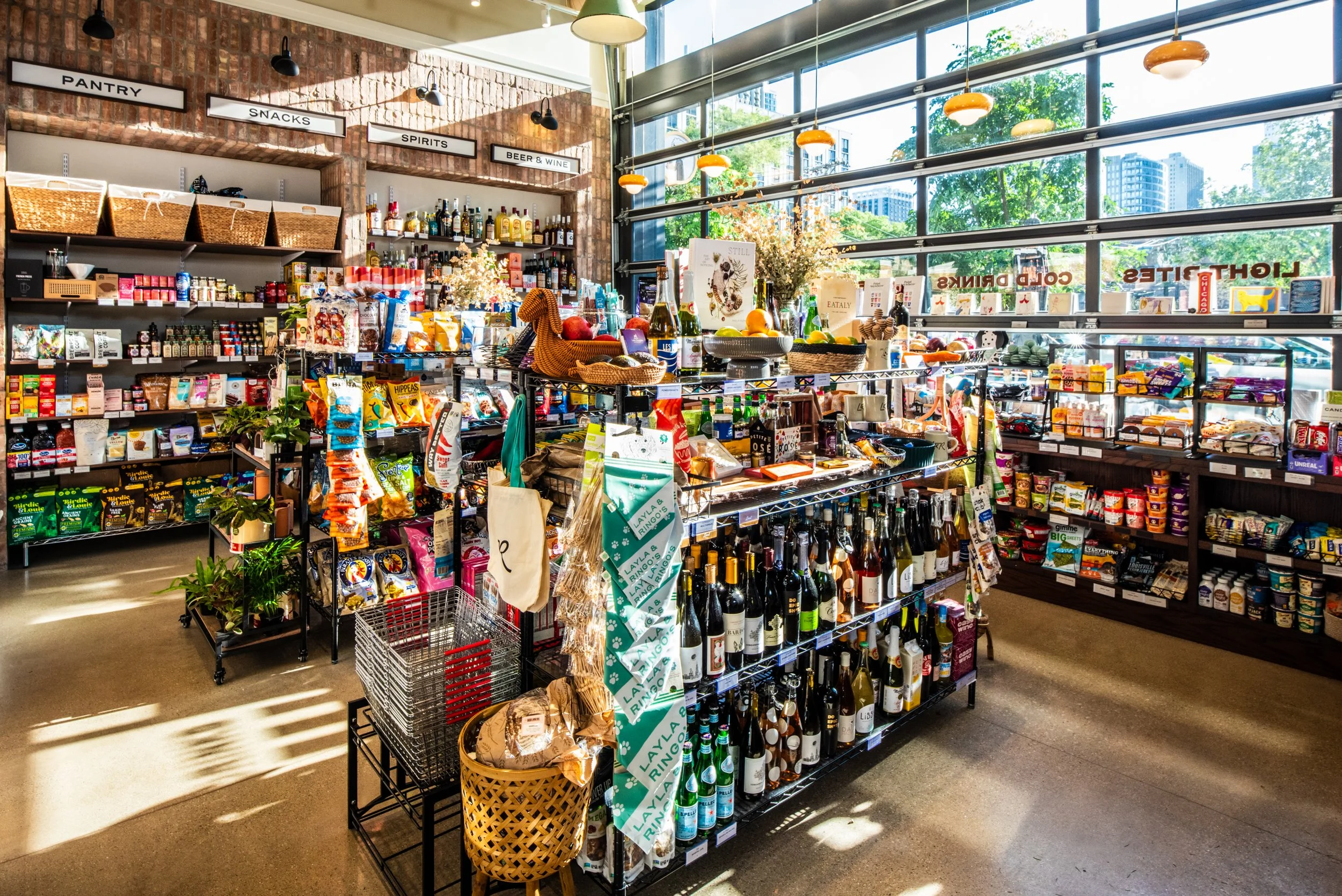
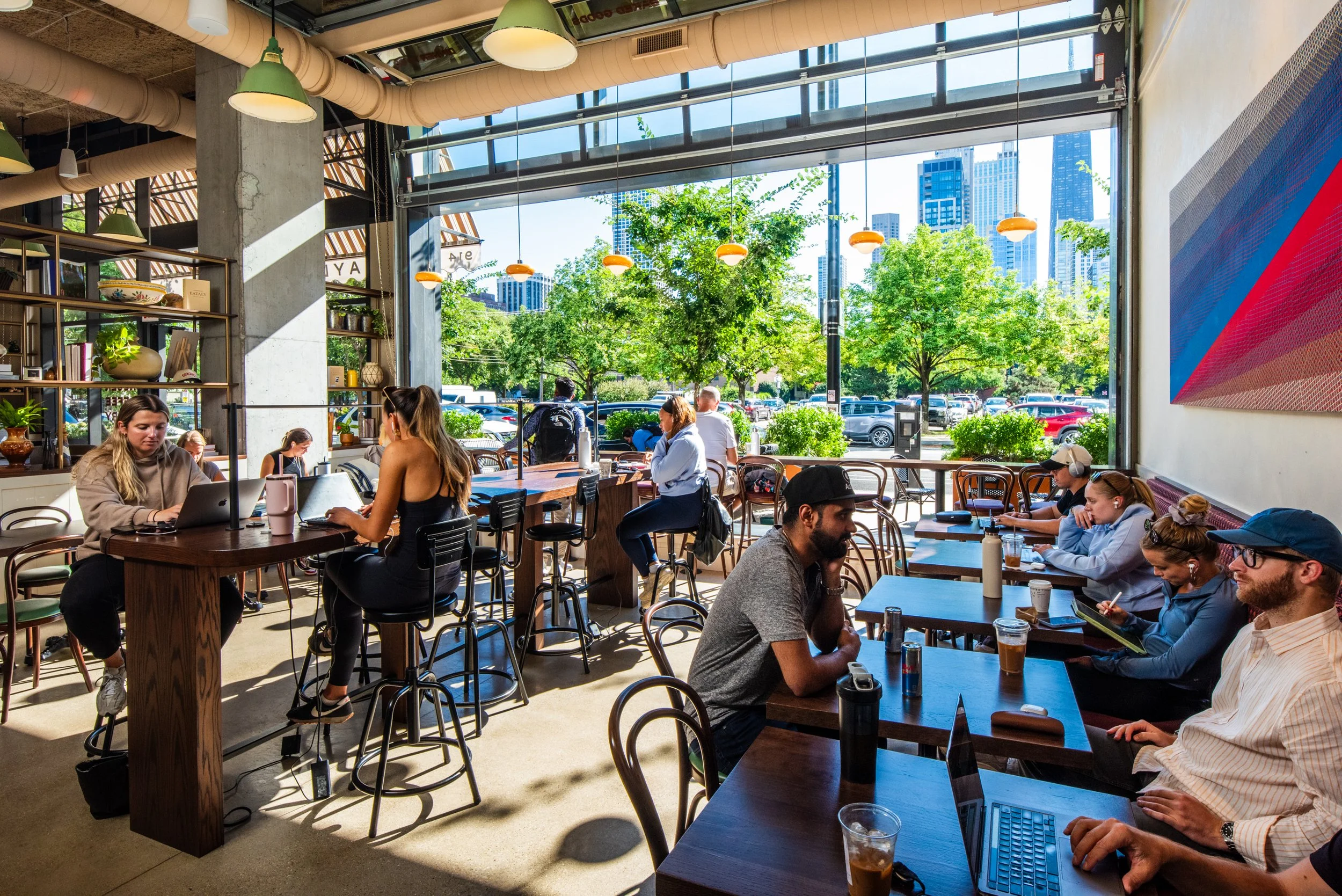
From there, DJ’s Great Room expands into a more social, communal environment. It is designed for energy, interaction, and flexibility, allowing the space to shift naturally into afternoon and evening use.
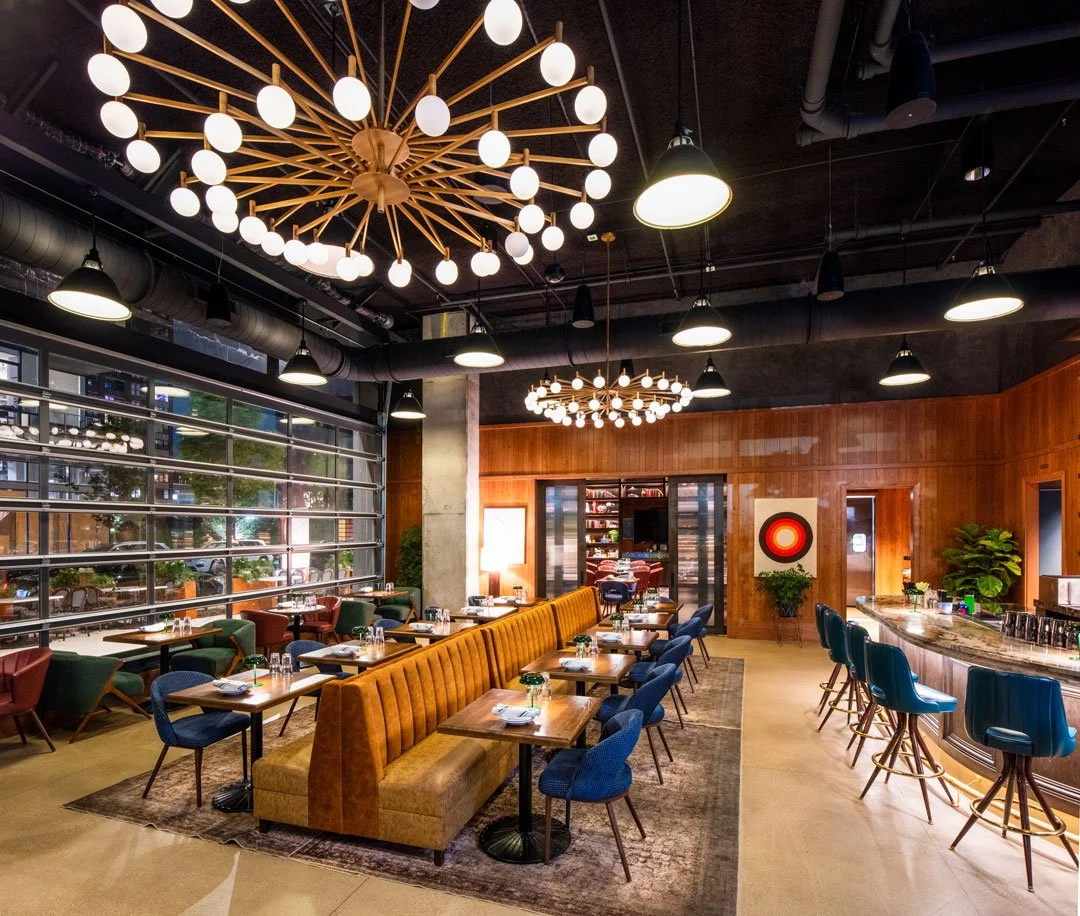
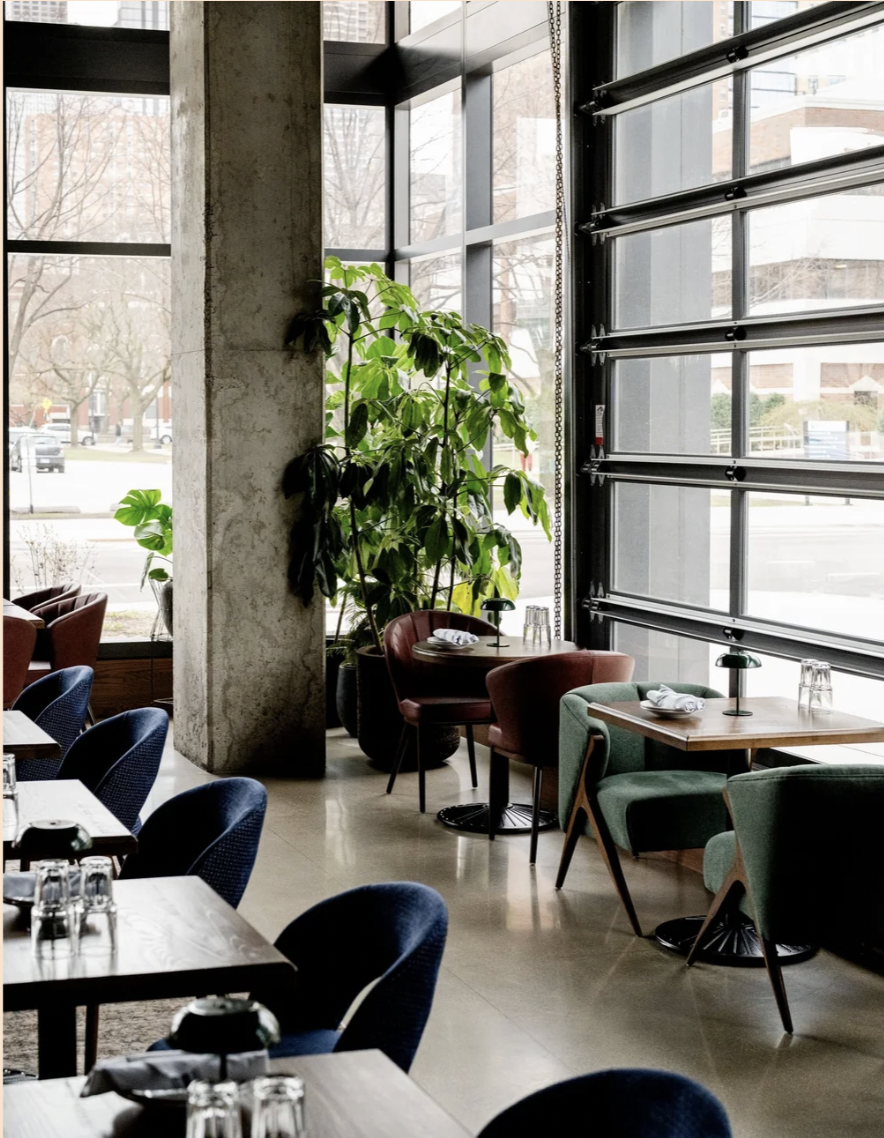
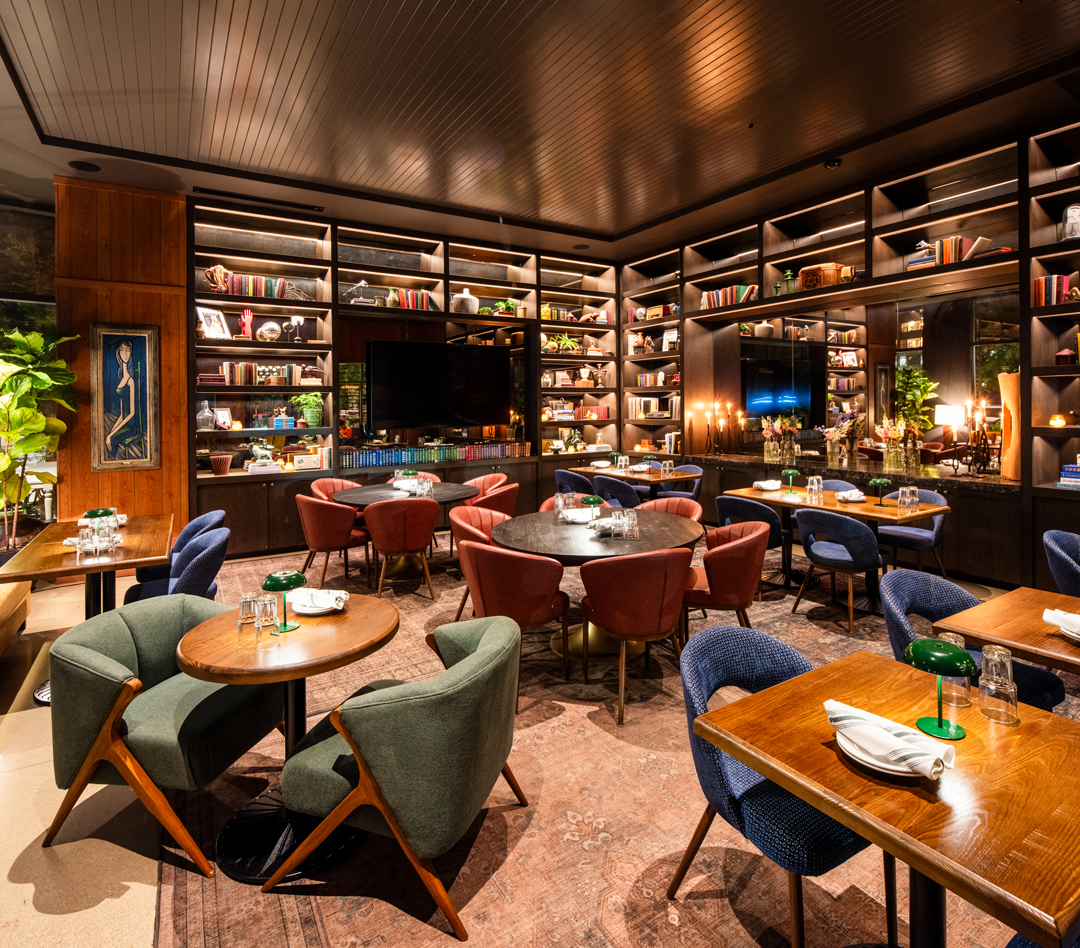
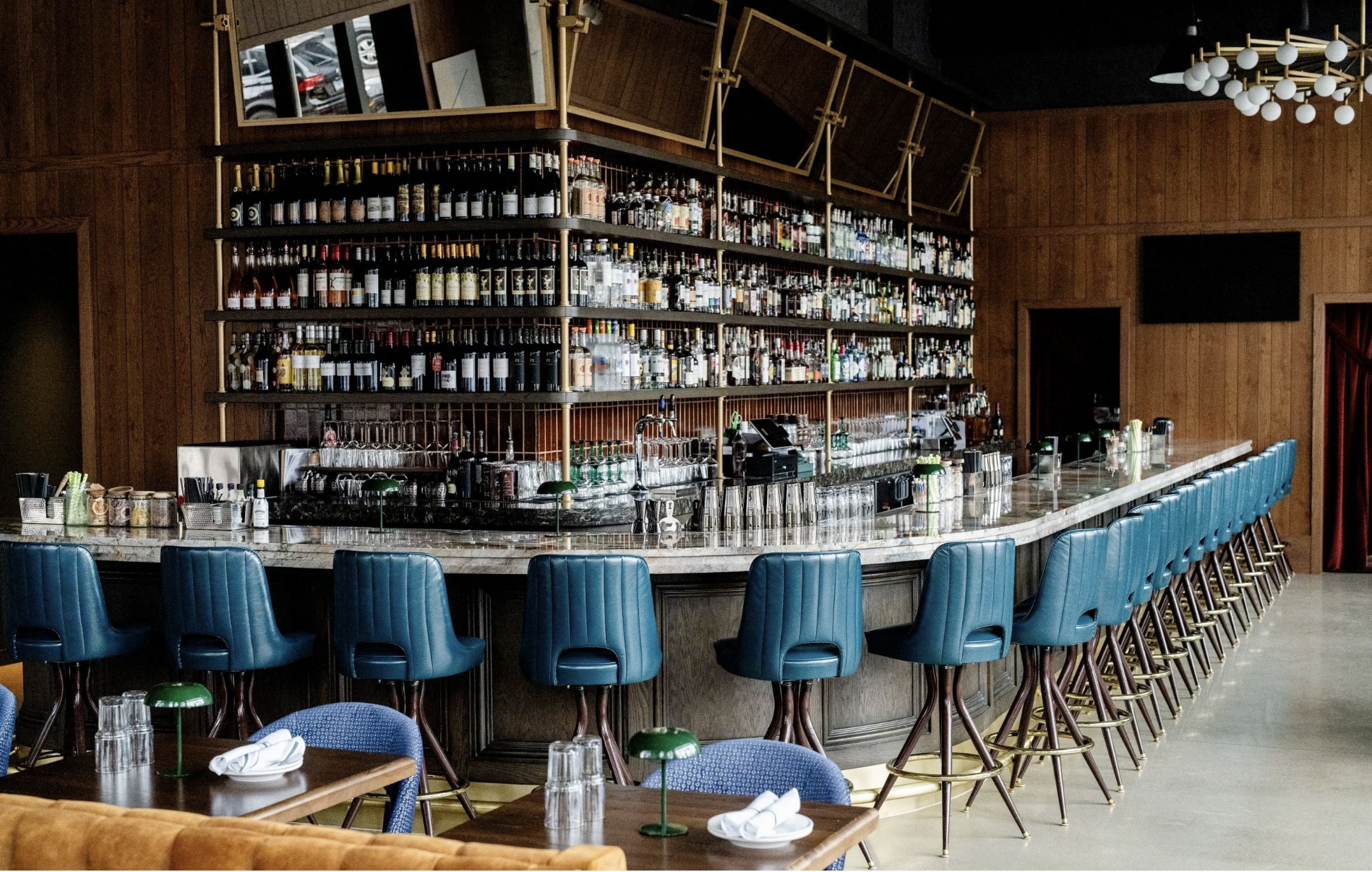
The Anteroom acts as a transition. It offers a more intimate, controlled atmosphere that extends the experience rather than competing with it. It is quieter, more focused, and designed for a different pace.
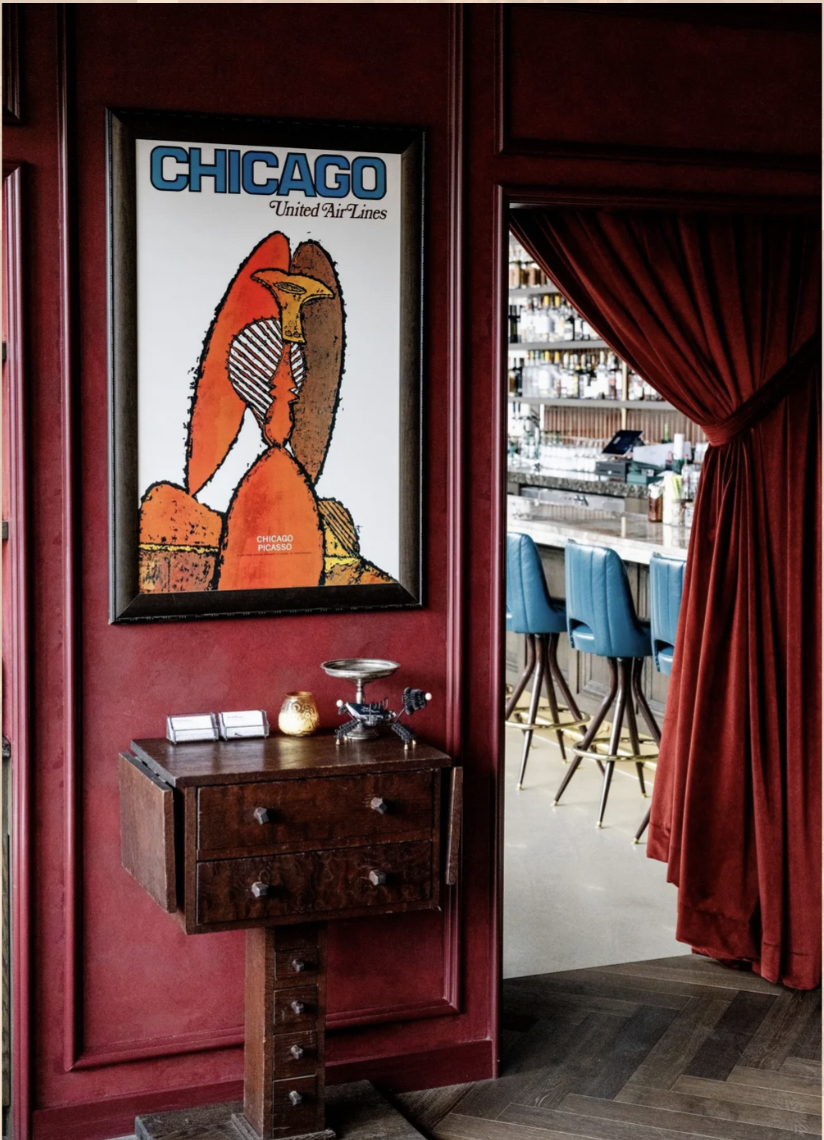
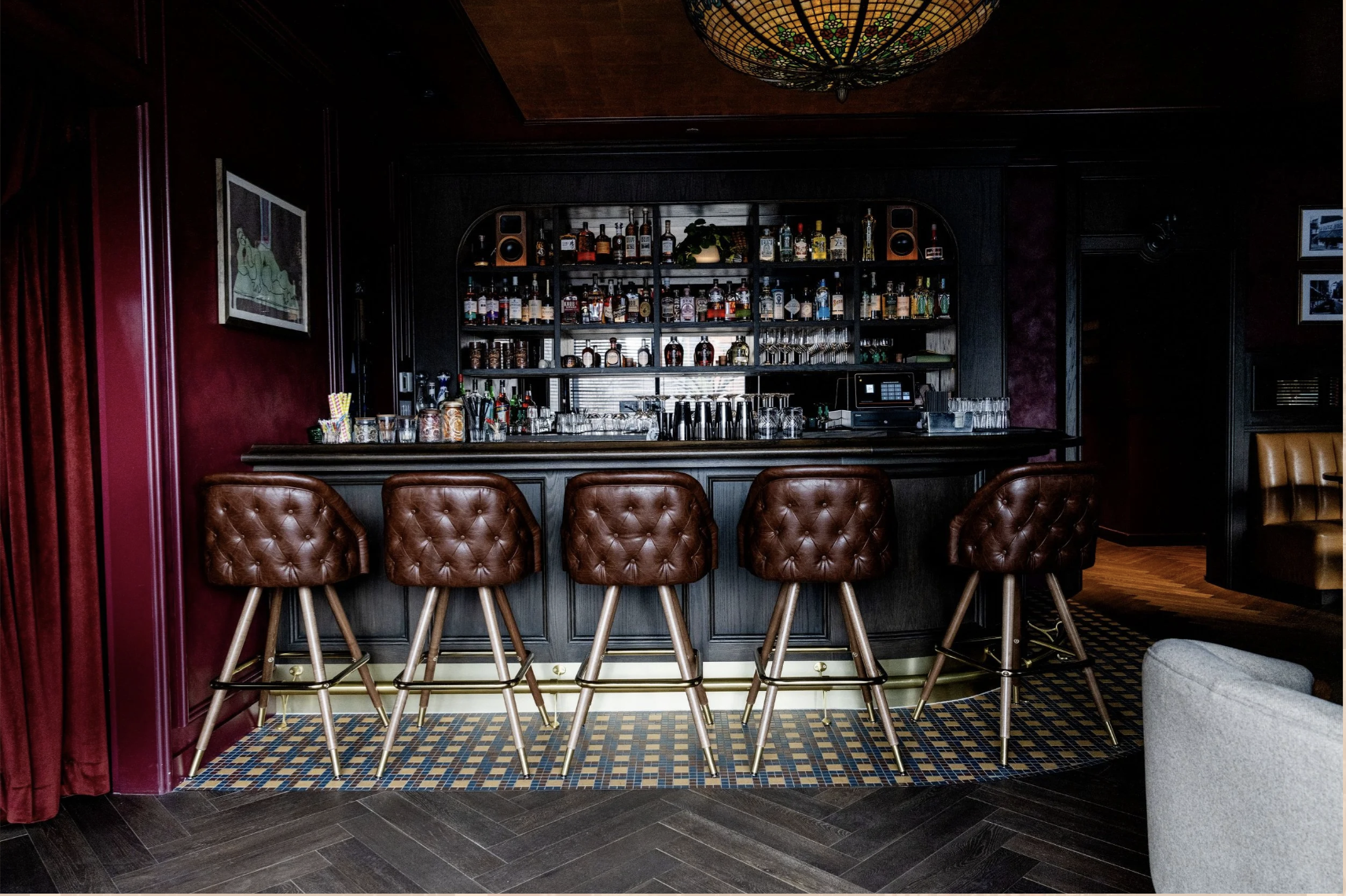
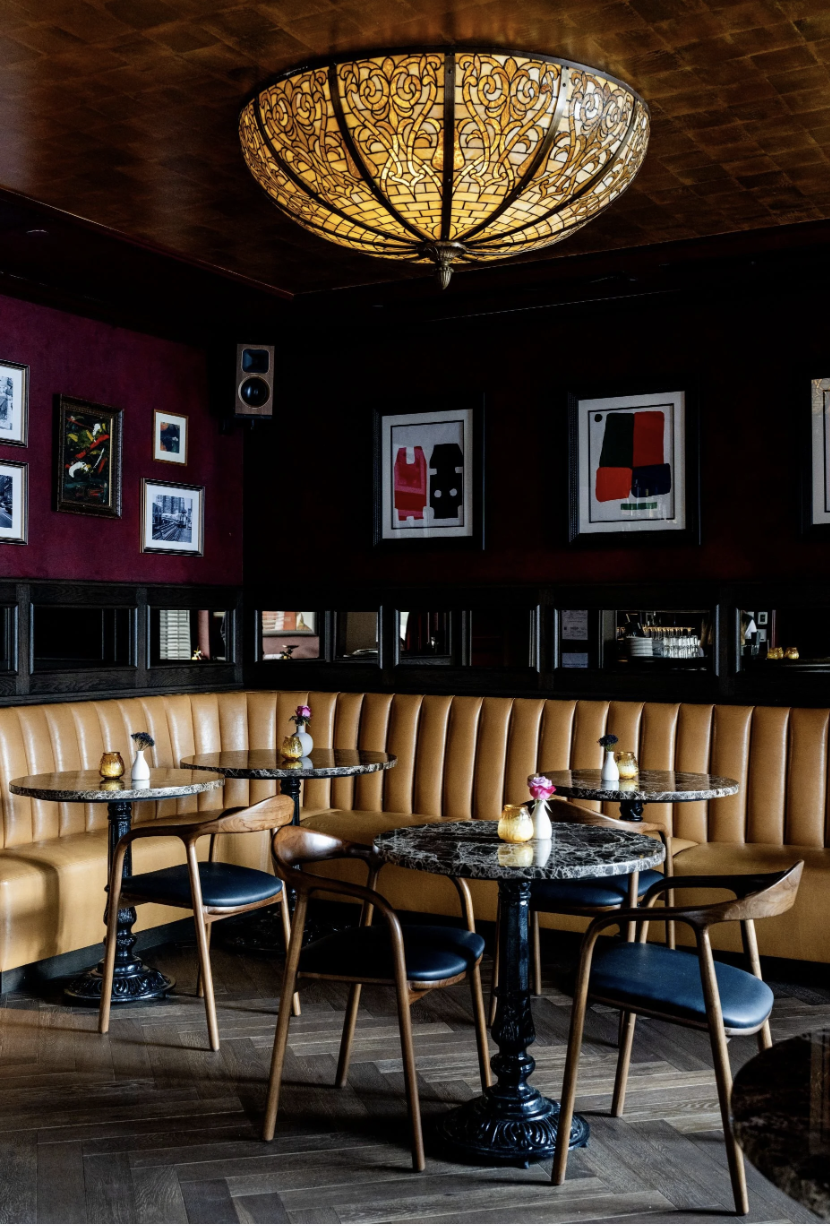
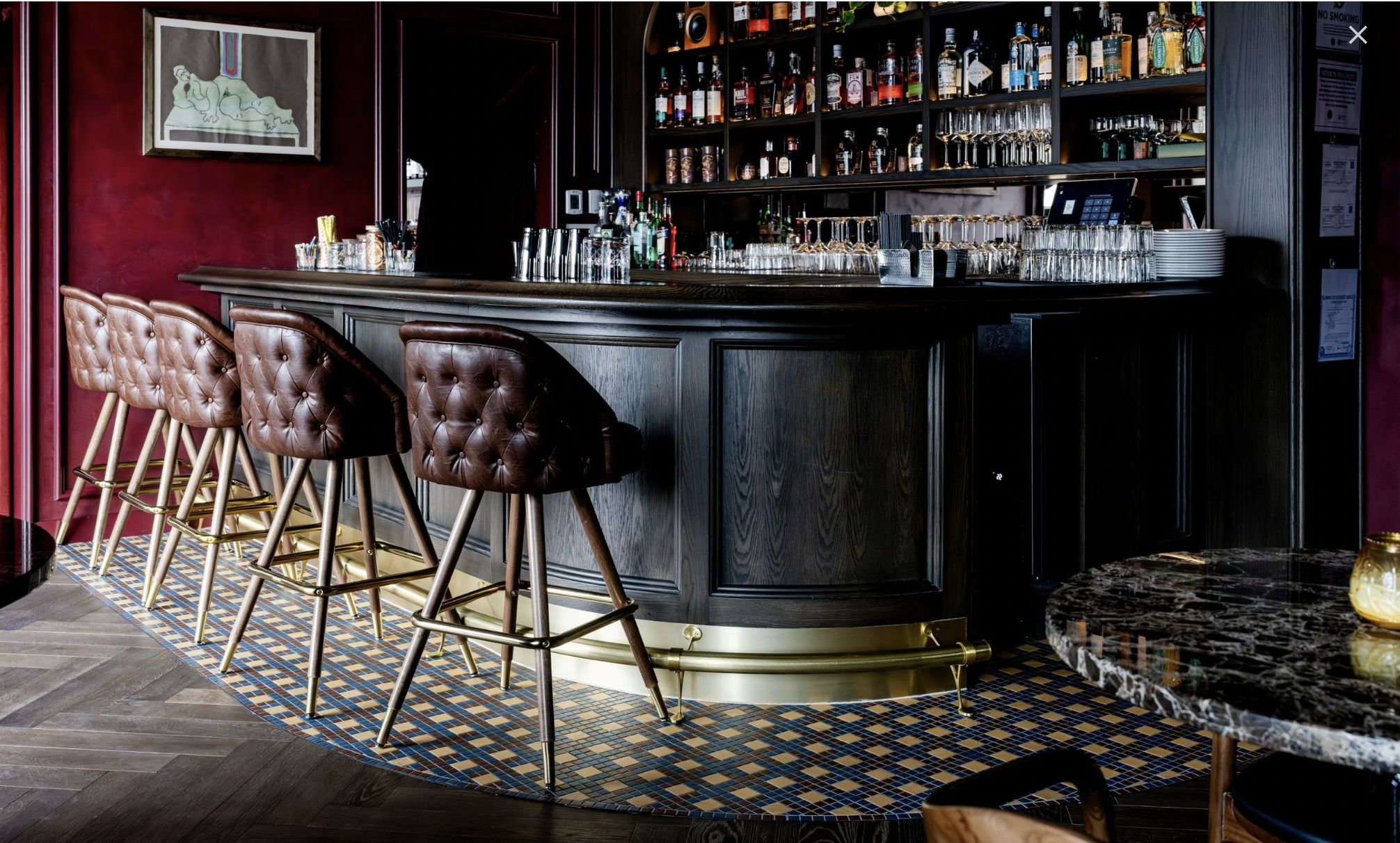
Together, these spaces are not defined by walls or labels. They are defined by how people move through them. Each component supports the others. Each moment of the day has a place within the same environment. The goal is not to create separate destinations within one footprint, but to design a continuous experience that evolves throughout the day.
Most spaces are designed as rooms. We design them as sequences.
Designing for Time, Not Just Aesthetics
One of the biggest shifts in hospitality design is moving away from designing for a single moment and instead designing for how a space evolves throughout the day.
Morning to Night Transitions
Spaces need to feel natural at 8 AM and at 8 PM. Lighting, layout, and materiality all contribute to how that transition happens without friction.
Flexible Zones vs Fixed Functions
Rigid programming is being replaced by adaptable zones that can support multiple uses. A communal table can function as a workspace, a dining surface, or a social anchor depending on the time of day.
Circulation as Experience
How people move through a space directly impacts how they engage with it. Circulation is no longer just about efficiency. It is about discovery.
Expanding the Model: From Chicago to California
This approach is not isolated to one project or one market. It has become a core part of how we think about hospitality design across the board.
Siren Betty Design has been developing this layered strategy through projects in Chicago, and we are now expanding that thinking into new work underway in California. While each project responds to its specific location, the underlying approach remains consistent. Spaces are designed to shift throughout the day, blending retail, food, and social experience into a cohesive environment.
Two upcoming California projects build on this model, exploring how hospitality can function as both a destination and part of a daily rhythm. Rather than separating uses, these spaces are intentionally intertwined, creating environments that feel active, adaptable, and aligned with how people actually live.
Why This Matters for Hospitality Operators
Layered spaces are not just more interesting. They are more effective. They create multiple revenue streams within a single footprint. They increase dwell time. They encourage repeat visits. More importantly, they build a stronger identity. A space that offers multiple ways to engage becomes harder to replicate and easier to remember.
Design becomes a business strategy, not just an aesthetic decision. This is something we’ve explored further in How Hospitality Interior Design Impacts Restaurant Property Value, where design directly influences long-term asset performance.
The Future of Hospitality Interiors
The next generation of hospitality spaces will not be defined by category. They will not be strictly restaurants, bars, or retail environments. They will be defined by how much they can hold. The spaces that succeed will be the ones that are designed to evolve, to adapt, and to engage people in more than one way at a time.
Layered hospitality is not a trend. It is a shift in how we think about space, experience, and the role design plays in both.
This intersection of design and performance is something we continue to explore in Interior Design Trends to Carry Into 2026.
If you are exploring how to create a hospitality concept that operates beyond a single use, we are always interested in starting the conversation. Explore more of our work or connect with our team to discuss upcoming projects.
