
Designing Memory: How Interiors Shape Human Behavior
Some spaces don’t ask for attention. They hold it.
You step inside and something begins to unfold. Not all at once, and not by accident. There is a rhythm to how the space reveals itself. Where you pause. Where you turn. What pulls you forward.
This is not atmosphere alone. It is sequencing.
This same idea lies at the core of how we design hospitality spaces, where experience is intentionally shaped rather than resolved all at once.
The most effective interiors are not static compositions. They are structured experiences, built to guide movement, shape perception, and create moments that stay with you long after you leave.
How Interior Design Influences Human Behavior
Interior design influences human behavior by shaping how people move, pause, and interact within a space. Through layout, lighting, scale, and material choices, design guides attention, controls pacing, and creates moments of discovery that affect how long people stay and what they remember.
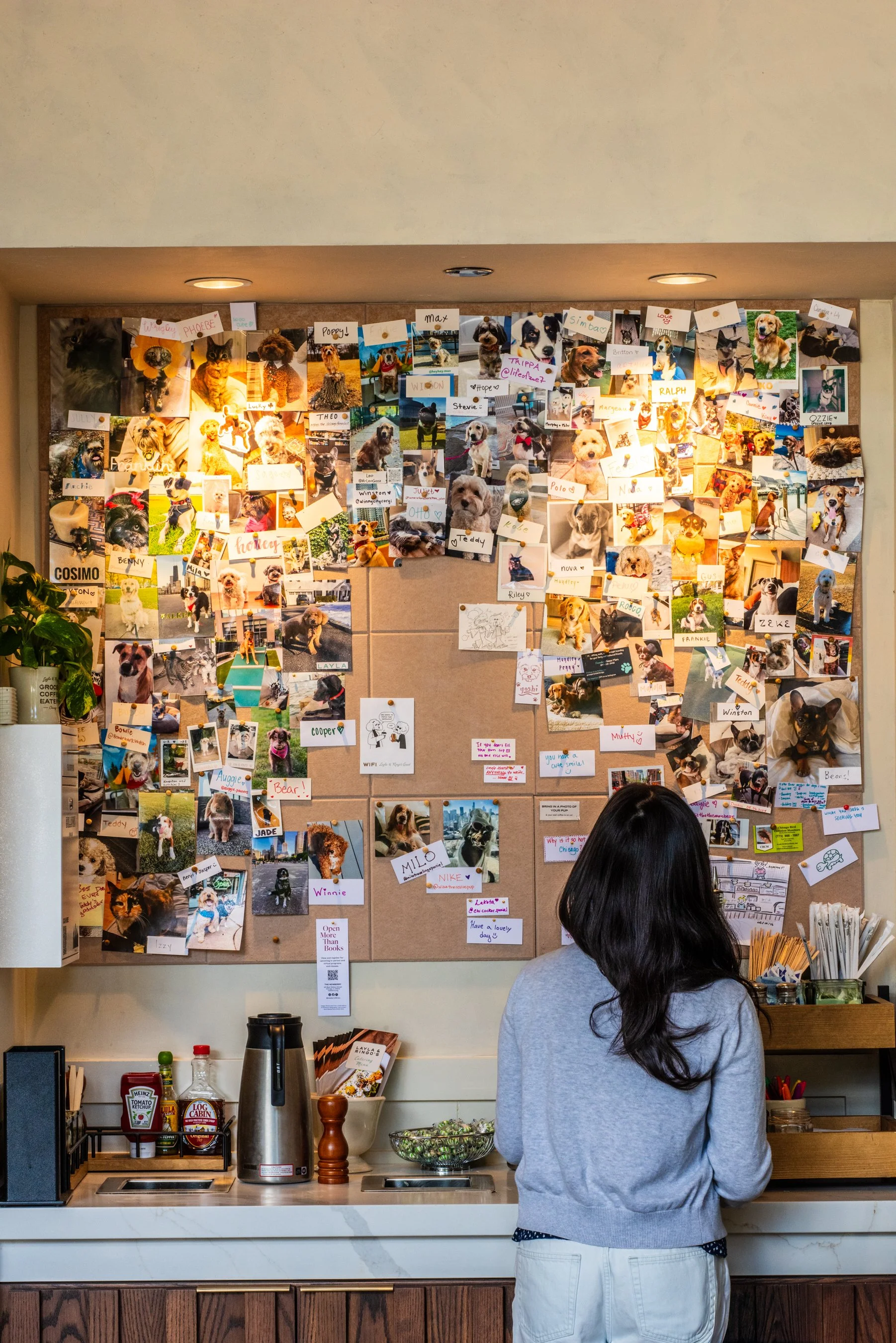
Layla + Ringos Dog Photo Wall
Design Is Not What You See First
The industry often focuses on first impressions. But the most effective spaces are not defined by what is immediately visible. They are defined by what is revealed next.
A space that resolves too quickly loses its hold. There is nothing left to uncover.
Design that performs creates progression. An entry might compress before opening into something expansive. Light shifts signal transition. Secondary spaces feel discovered rather than announced.
This type of progression aligns with layered, multi-use hospitality environments that evolve throughout the day rather than remain static. It keeps people moving, exploring, and returning.
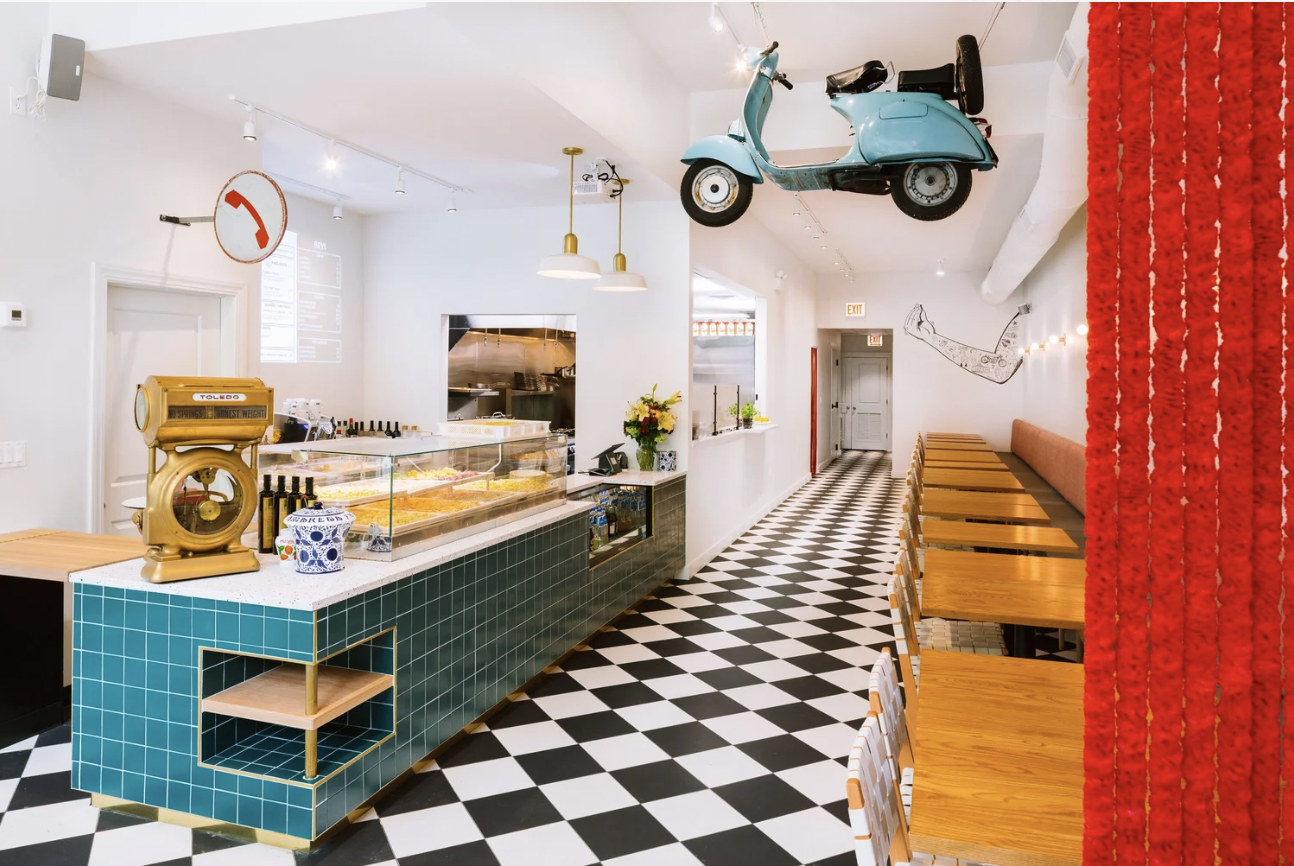
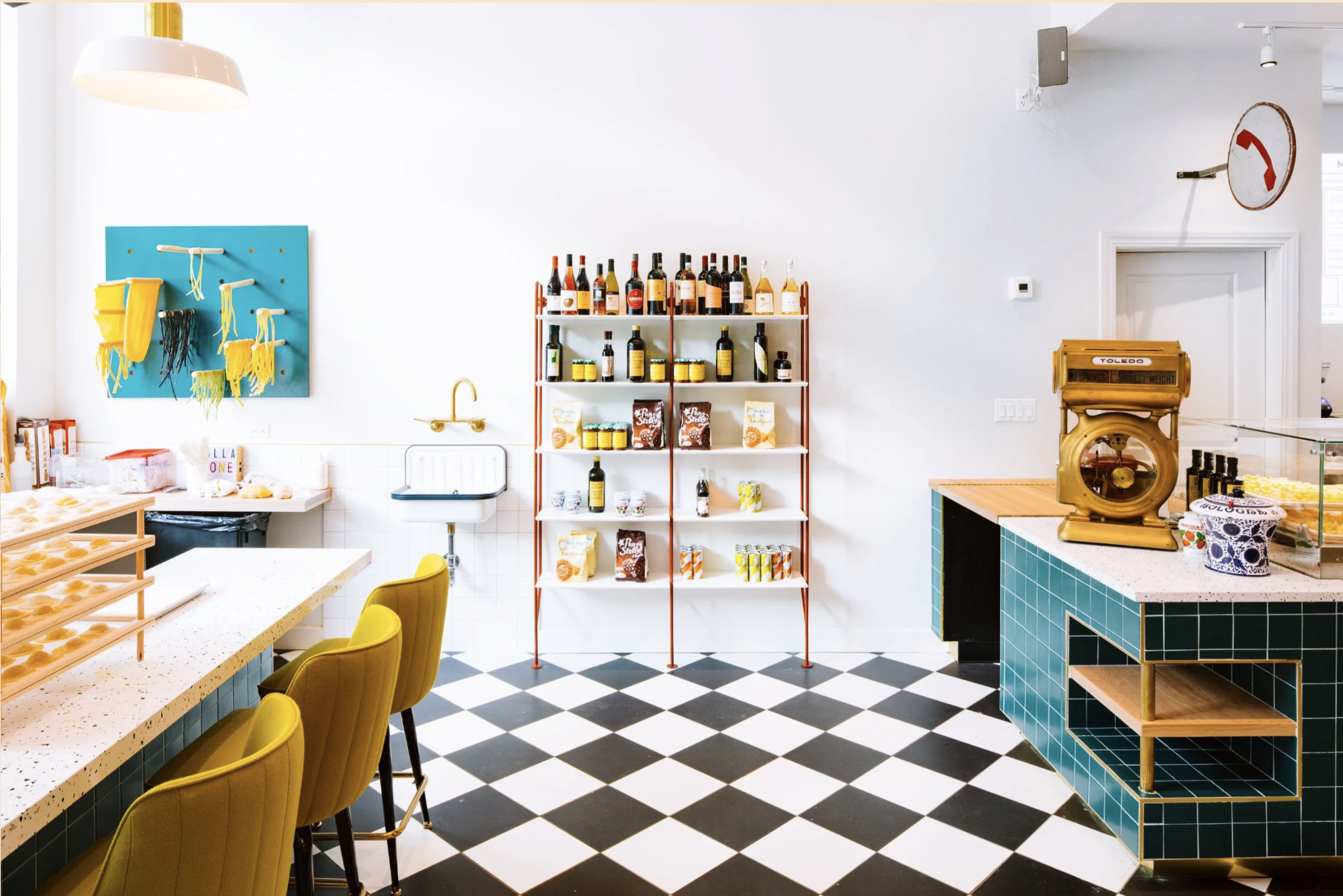
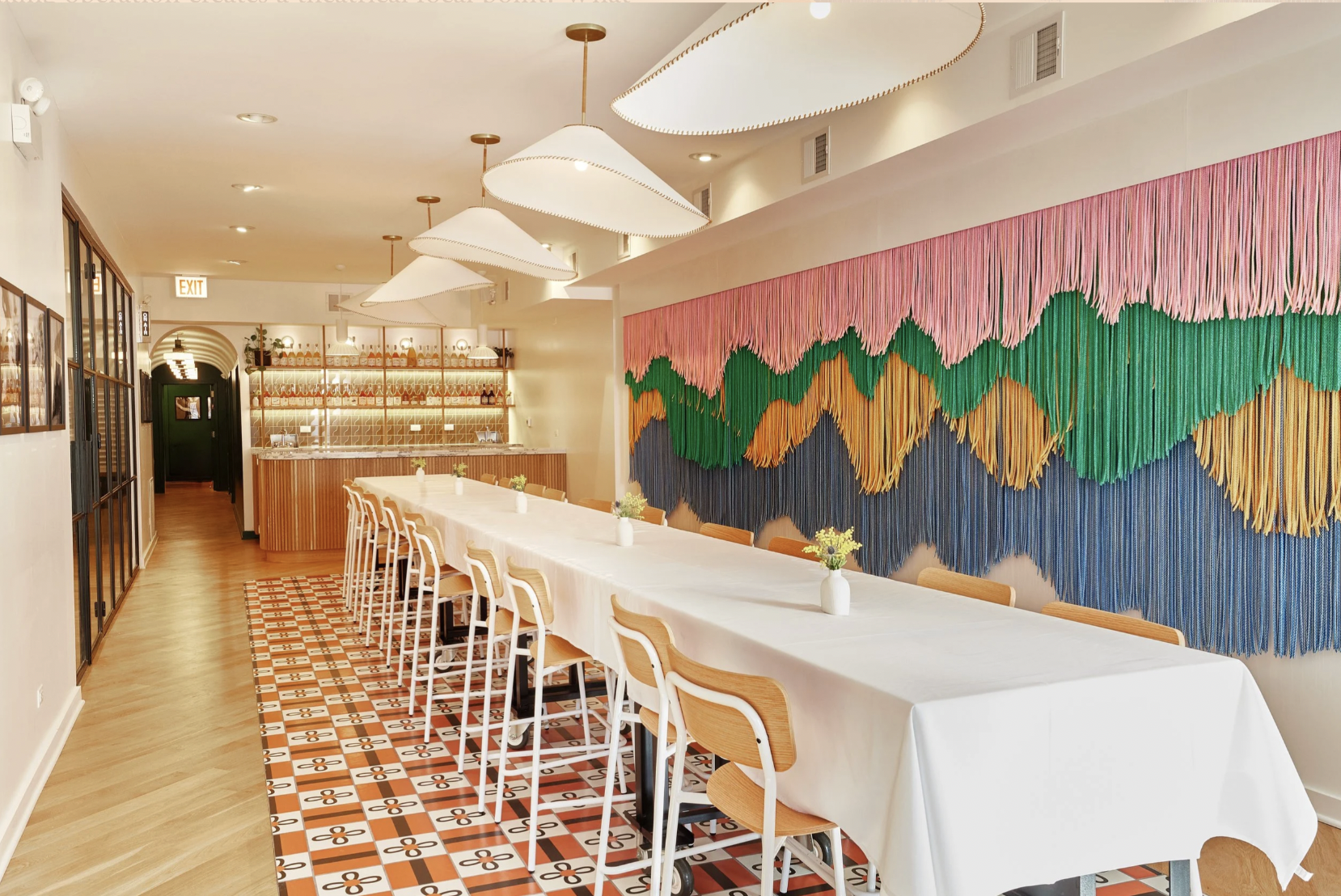
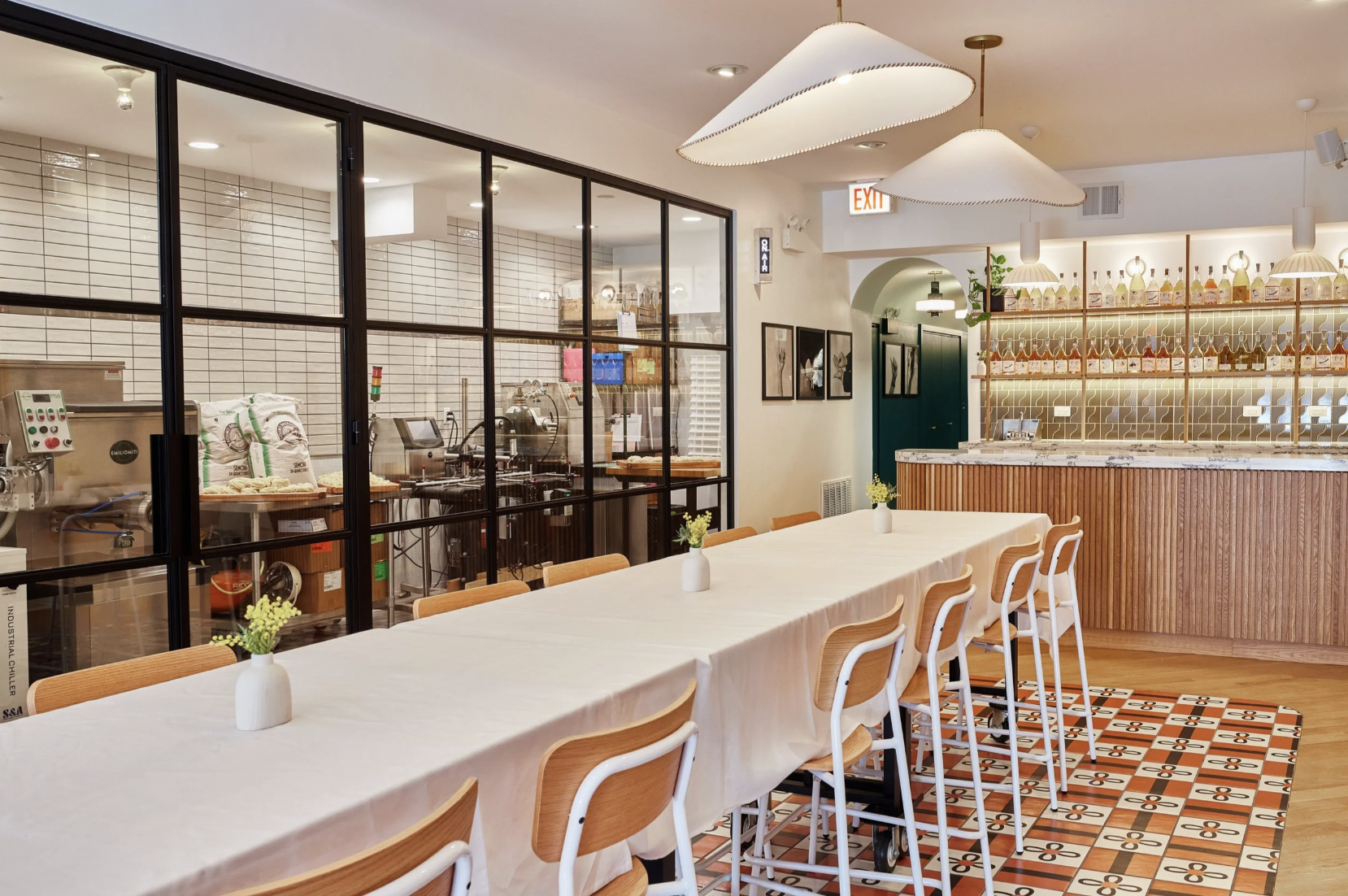
The relationship between Tortello and DeSora brings this into focus, where the experience extends beyond a single space. What begins as a grounded dining environment below transitions into something more fluid above, where guests shift from passive consumption to active participation through pasta-making classes and events. Each space operates independently, yet together they create a layered experience that evolves over time, offering multiple ways to engage rather than a single, fixed moment.
Designing Movement as Spatial Choreography
Movement is not just circulation. It is timing.
A well-designed space understands when to guide and when to release. Too much clarity flattens the experience. Too little creates friction.
The goal is not efficiency. It is engagement. This is where a more strategic approach to hospitality interior design begins to shape how a space is experienced over time.
The strongest interiors use contrast to shape movement. Moments of compression heighten awareness before a space opens. Subtle cues invite exploration without instruction. Guests are never explicitly directed, yet they rarely stand still.
Double Fun, Chicago uses contrast to shape the movement of their guest experience.
Why Some Beautiful Spaces Fail
Some of the most visually striking interiors underperform in practice.
They are easy to understand, easy to photograph, and easy to leave. Because nothing interrupts the experience, nothing slows it down or pulls it deeper. When everything is immediately visible, there is no reason to stay.
A design that prioritizes image over sequence removes tension. And without tension, there is no memory.
This is often why visually striking spaces fail to translate into long-term performance or measurable return.
What Makes a Space Memorable

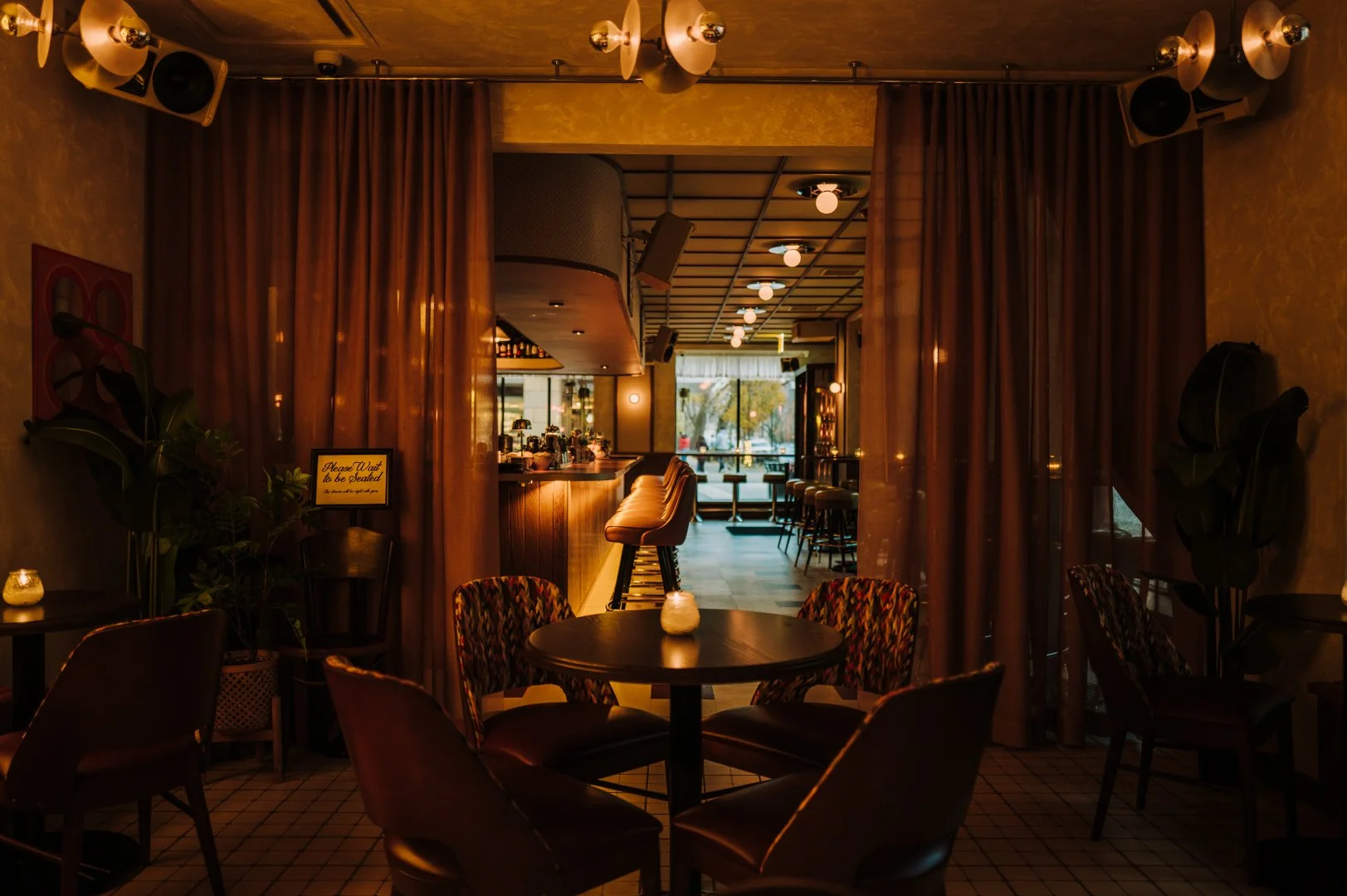
Dimmi Dimmi, Chicago.
Memorable spaces are defined by contrast and pacing.
People don’t just remember what they saw. They remember how the space shifted around them.
The transition from bright to dim. The moment something opens unexpectedly. The change in material or density. The move from energy into stillness. Even the smallest details, from materiality to object placement, play a role in shaping how a space is experienced and remembered.
In Dimmi Dimmi, low light and material richness create an environment that unfolds slowly, holding attention rather than releasing it. Memory is not created in a single moment. It is built through sequence.
The Risk of Designing for Instant Impact
There is increasing pressure to create spaces that photograph well and communicate immediately.
But instant clarity often comes at the expense of longevity.
When a space delivers everything at once, exploration disappears. Movement shortens. Engagement drops off faster than expected.
Environments that last are not fully understood on arrival. They reveal themselves gradually, rewarding time and attention.
The Future of Interior Design Is Sequenced
The next evolution of interior design is not about how a space looks in a single frame. It is about how it performs across time.
Design is no longer a static outcome. It is an unfolding experience.
The most effective environments are built with intention around what is revealed, what is held back, and what changes as people move through the space. Because people may forget individual details, but they remember how a space carried them from one moment to the next.
