
How We Design Hospitality Spaces People Return To
In hospitality design, success isn’t measured by first impressions alone. It’s measured by return visits. The spaces people choose again. The rooms that feel familiar without becoming predictable.
At Siren Betty, this way of thinking shapes how we approach hospitality interiors from the very beginning. Our work isn’t driven by trends or visual statements. It’s driven by experience. How a space feels once the novelty wears off. How it supports connection, comfort, and energy over time.
This perspective is central to The Siren Call and builds on ideas we introduced in The Siren Call: A New Lens on Hospitality Interior Design, where we explored how materials, objects, and atmosphere shape the way people experience space.
Designing for Use, Not Performance
Hospitality spaces are meant to be used. They’re entered quickly, lingered in slowly, and are remembered long after. Designing for that reality requires restraint.
We think carefully about how people move through a room. Where they pause. Where they gather. Where sound softens and light shifts. These considerations often matter more than decorative moments. A space that performs visually but fails experientially rarely lasts.
This way of thinking connects directly to the interior design trends we carried forward into the new year, particularly the shift toward experience over optics explored in Interior Design Trends to Carry Into 2026.
What Layered Hospitality Interiors Look Like in Practice
Layered interiors are not about excess. They’re about depth. A balance of texture, material, proportion, and restraint that allows a space to unfold over time.
In projects like Double Fun, layering comes through in the relationship between surfaces, color, and spatial rhythm. Materials work together rather than competing. The result is an environment that feels energetic and grounded without relying on statement moments alone.
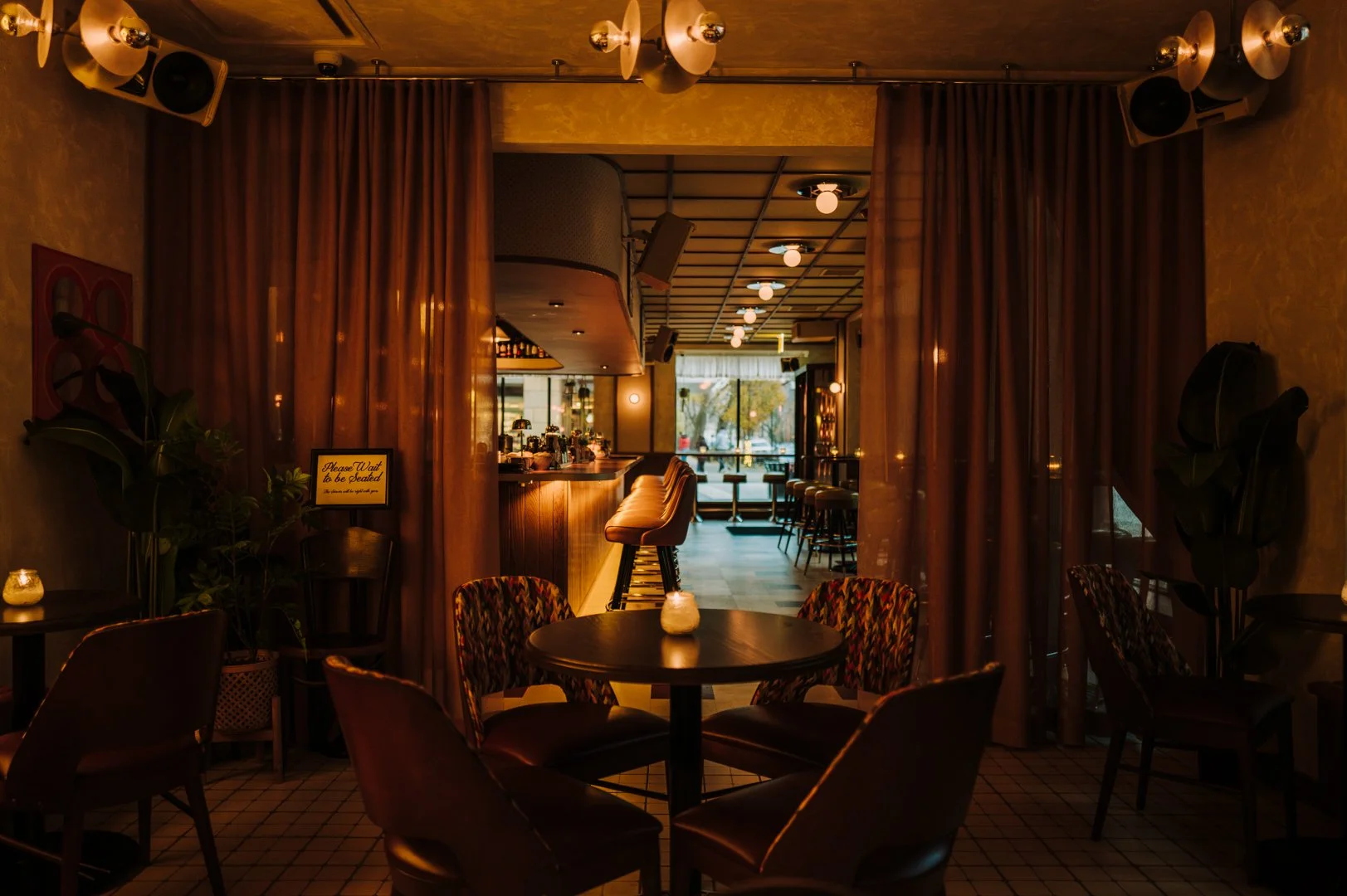
Double Fun
Seventies Hollywood vibes layered with Chicago’s Gold Coast neighborhood charm.
A similar approach can be seen in Dimmi Dimmi, where warmth, contrast, and atmosphere define the experience. Layering here isn’t decorative. It’s structural. It shapes how the space feels throughout the day and how people choose to inhabit it.
This philosophy carries through many of our hospitality projects, where materiality, proportion, and atmosphere work together to create spaces designed for return visits rather than one-time impressions.
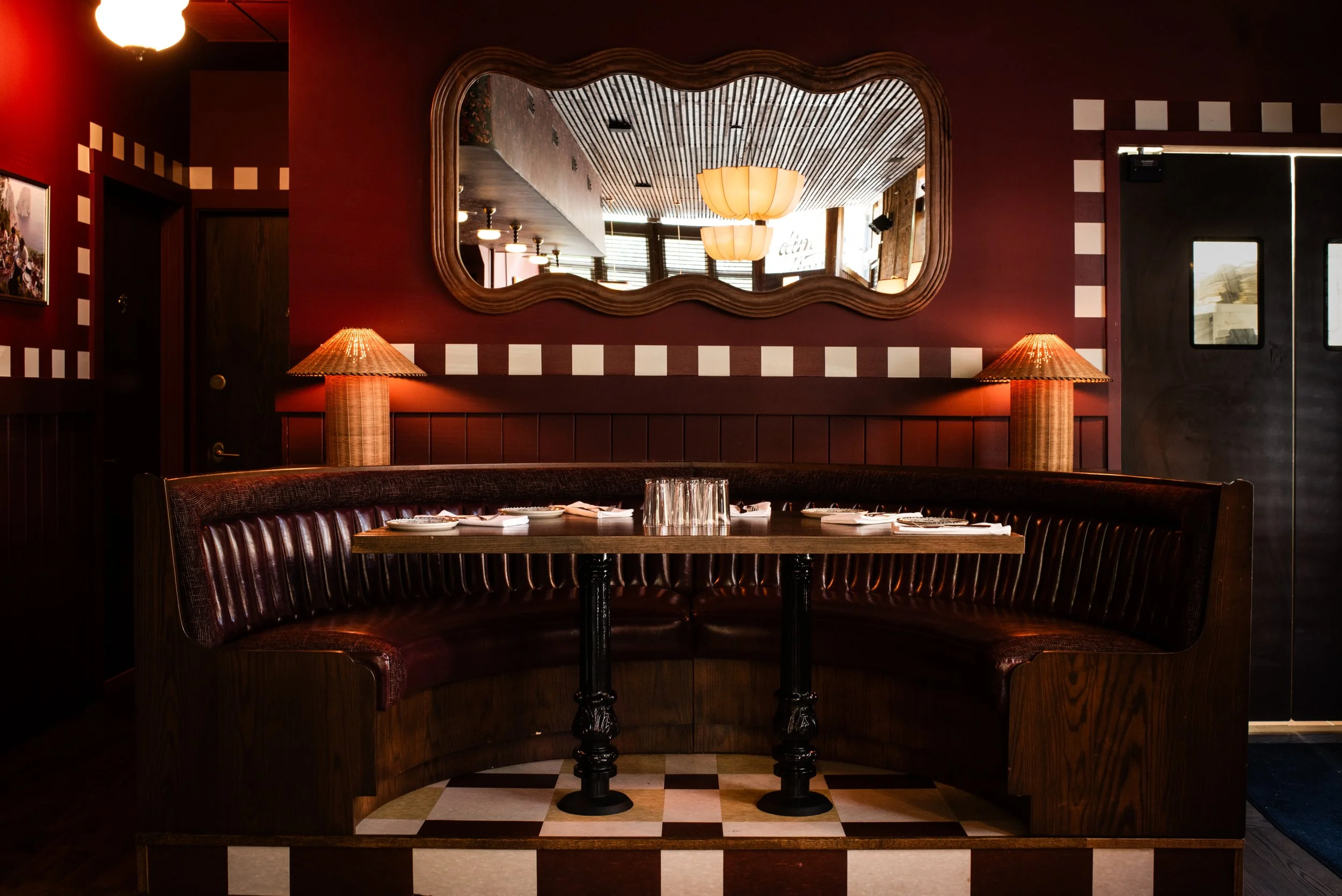
Dimmi Dimmi
“The kind of spot where stories flow like wine, and someone’s always asking ‘you gonna eat that?’”
Why Atmosphere Drives Return Visits in Hospitality Design
Atmosphere is what stays with you. It’s the quiet hum of a room at the right hour. The way materials absorb sound. The balance between openness and intimacy.
In hospitality spaces, atmosphere isn’t added at the end. It’s built into the design from the start. Lighting, texture, and proportion work together to create environments that feel intentional without feeling rigid.
This approach sits at the core of how we approach hospitality design, where experience, comfort, and longevity guide every decision.
When the atmosphere is right, people stay longer. And they come back.
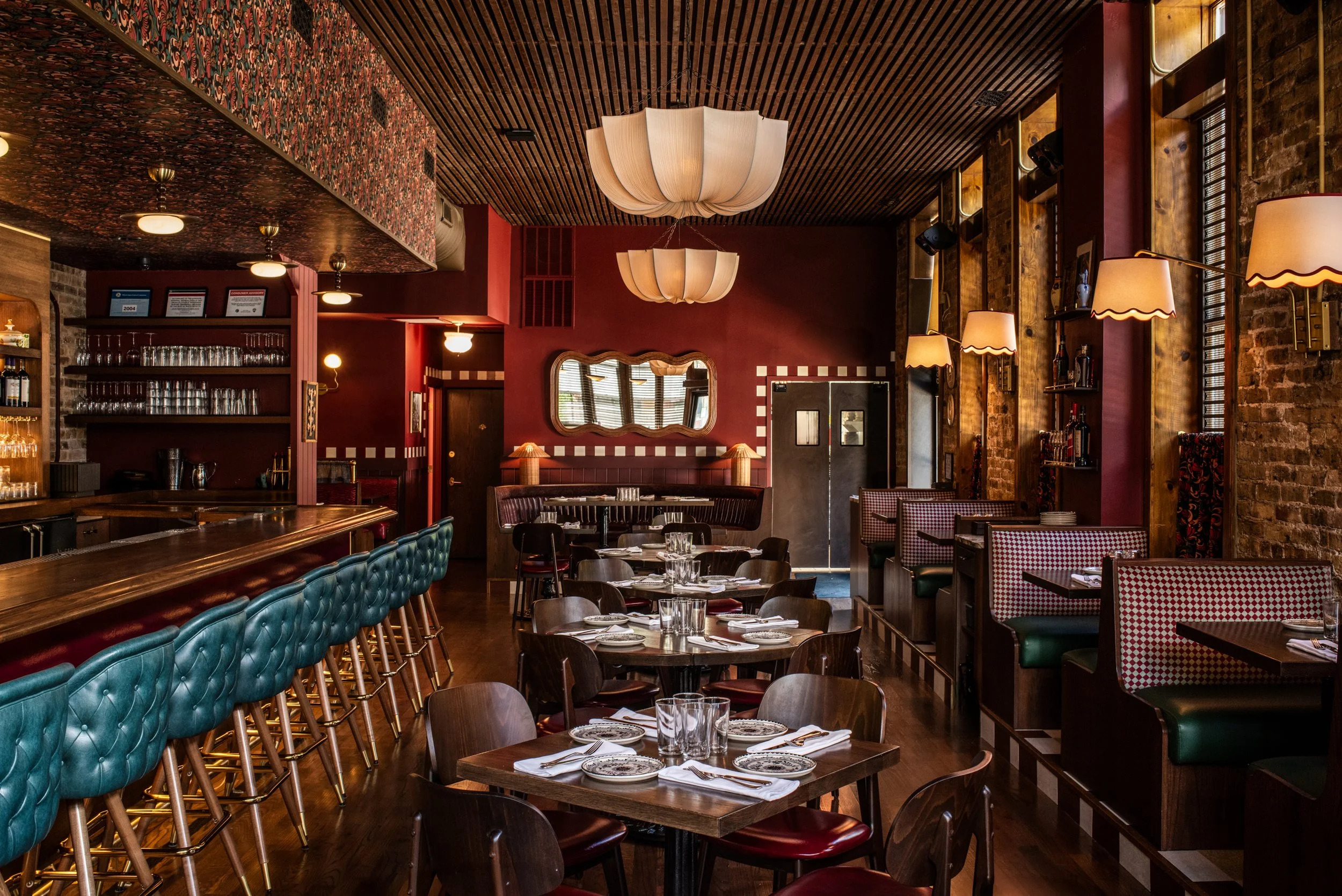
Dimmi Dimmi, Chicago
Designing for Memory, Not Novelty
The hospitality spaces people return to are rarely defined by trend alone. They’re defined by how they made someone feel. A sense of ease. Familiarity. Anticipation.
At Siren Betty, we design with that long view in mind. Spaces that reveal themselves gradually. Rooms that evolve through use. Interiors that feel layered, grounded, and lived in.
Design that lasts doesn’t announce itself loudly. It invites people back.
Looking Ahead
As we move into 2026, this way of thinking feels more relevant than ever. Hospitality interiors are being asked to do more than impress. They’re being asked to hold people. To support gathering. To create experiences that feel both intentional and natural.
That’s where we focus our work. And that’s where meaningful design lives.
For more studio perspectives on hospitality, design, and atmosphere, you can explore recent posts on The Siren Call.
