
Mistakes Designers Avoid in Layered Residential Interiors
For years, neutral interiors defined the moment. West Coast palettes of soft whites, pale woods, and low contrast became the visual language of residential design. Calm, restrained, and intentionally minimal, these spaces promised ease and longevity. And for a time, that aesthetic felt right. It offered a reset. A sense of quiet in this chaotic world. But as homeowners began living in these spaces, many realized something was missing. Homes needed more warmth, more personality, and more depth than a neutral-only approach could provide.
That shift is now unmistakable. Many homeowners are looking for spaces that feel more lived in and more personal, without losing a sense of calm. The homes that resonate most tend to balance restraint with character, allowing color, material, and texture to enter through layers rather than bold gestures. The result feels intentional, warm, and reflective of the people who live there.
At Siren Betty, residential design begins with observation. How people move through their homes. Where they gather. What they return to at the end of the day. This perspective informs many of the residential interior design tips we share, grounded in how people actually live. In projects like the Coe Residence, neutral foundations are layered with texture, color, and collected elements, creating spaces that feel personal, considered, and lived in rather than prescribed.

Coe Residence
Where the day slows down and people come together.
Mistake #1: Assuming Neutral Means Colorless
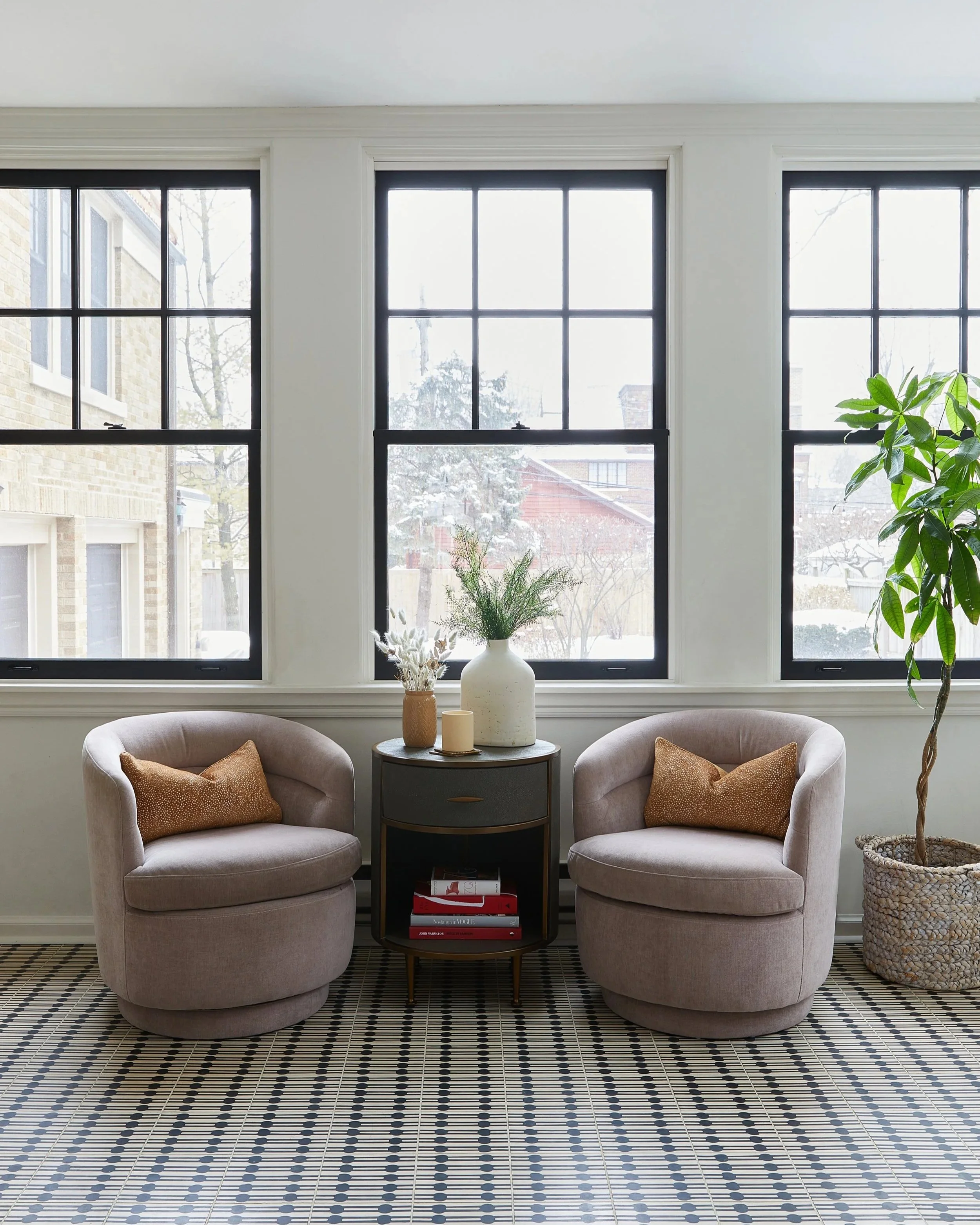
Neutral palettes are still relevant, but they have evolved. A neutral home does not need to feel flat or monochromatic. Depth often comes from variation, subtle contrast, and material choices rather than color alone.
In projects like theSinger Residence, neutrals act as a backdrop rather than a limitation. Warm woods, layered textiles, and subtle shifts in tone add richness without overpowering the space.
Free Design Tip:
Think of neutrals as a foundation, not a finish. They work best when given dimension, texture and contrast rather than uniformity.
Mistake #2: Thinking Color Has to Come From Paint
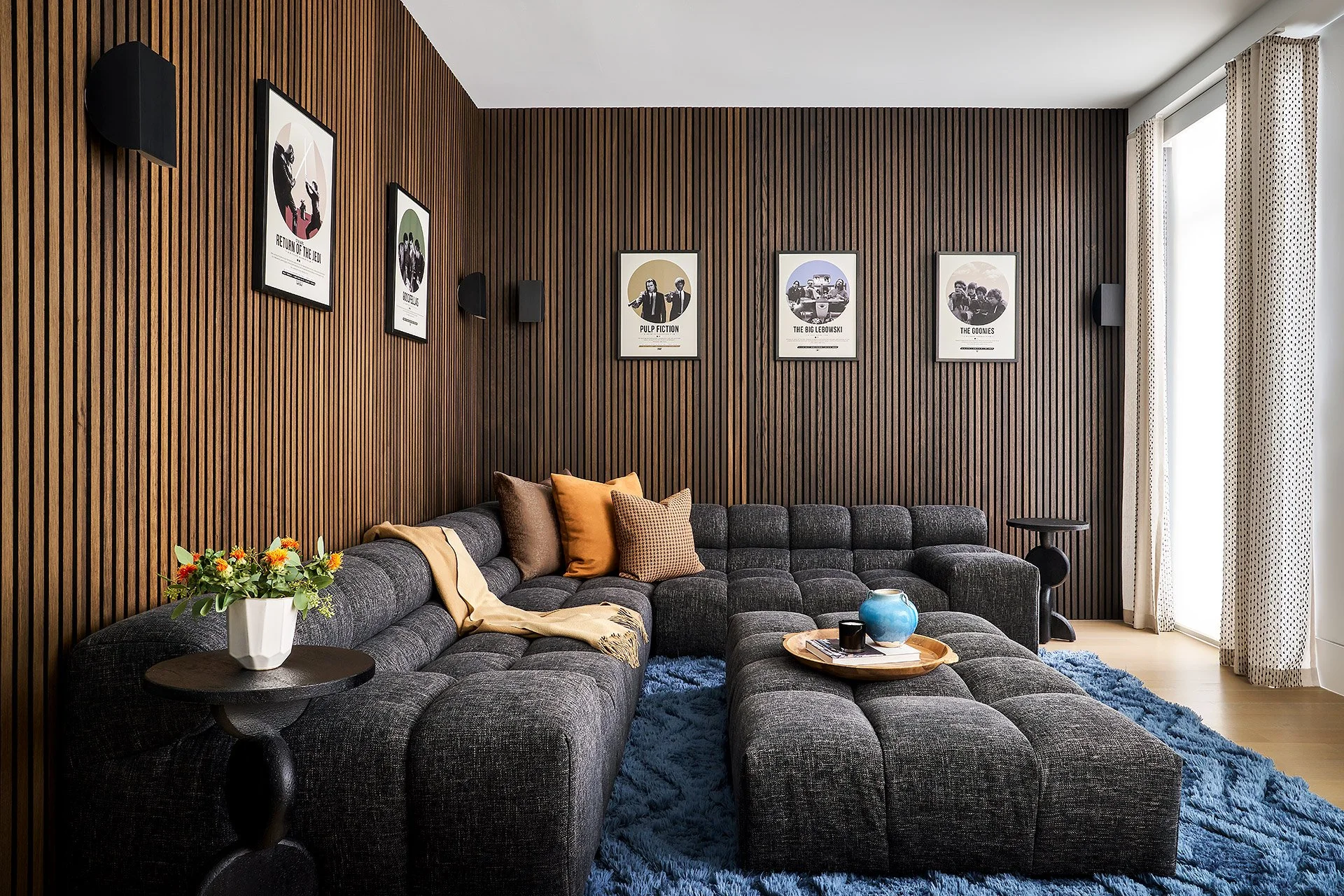
One of the most common misconceptions in residential interior design is that introducing color requires committing to bold paint choices. In reality, paint is only one layer and often not the most flexible one.
Across our residential work, including the Private Residence, color is often introduced through art, rugs, upholstery, and vintage furniture. These elements bring personality and depth while allowing a home to evolve over time.
Free Design Tip:
Start with movable layers. Art and textiles introduce color with far less permanence than paint.
Mistake #3: Treating Each Room as a Separate Decision
Layered homes feel cohesive without being repetitive. When rooms are designed in isolation, even well-designed spaces can feel disconnected.
Allowing certain materials or tones to appear throughout a home creates a sense of rhythm. Each room can still feel distinct, but part of a larger whole. This approach tends to make homes feel more considered and easier to live in.
Free Design Tip: Let one or two elements or tones repeat subtly throughout the home to establish flow.
Mistake #4: Following Trends Instead of How You Live
Trends change quickly. Homes do not.
The strongest residential interiors reflect how people live, gather, and unwind. Designing around lifestyle rather than trends leads to spaces that feel grounded and timeless. This mindset guides how we approach every residential project, from city homes to private residences.
Free Design Tip: Pay attention to how a room is used before deciding how it should look. Let daily routines guide design decisions before aesthetics.
What Layered Residential Design Looks Like When Done Well
Layered homes feel warm, collected, and intentional, rather than styled. Neutral foundations are balanced with moments of color and contrast. New pieces sit comfortably alongside vintage finds. Nothing feels rushed or overly styled. These spaces tend to reveal themselves over time, which is often what makes them feel lasting.
This is the difference between decorating a home and designing one, and it is the approach reflected across our residential portfolio.
Our Approach to Residential Interior Design
At Siren Betty, residential design is collaborative and considered. Clients bring their lifestyle, preferences, and comfort level with color. We bring editing, cohesion, and confidence in layering.
Learn more about our studio or explore how we work through our interior design services.
Designing a Home With Depth and Personality
If you’re navigating similar questions in your own home, whether around color, layering, or cohesion, working with a designer can help clarify decisions and create a stronger sense of direction.
For more free design advice and studio perspectives, explore The Siren Call.
