
The Places, Art, and Atmospheres Inspiring Our Work Right Now
Design rarely begins at a desk.
More often, it starts when we notice something we cannot stop thinking about. A material handled in an unfamiliar way. A building that has outlived its original purpose but not its emotional presence. Light filtered through color instead of simply illuminating a room.
Many of the ideas we return to in our work come from observing how people actually inhabit interiors, something we explore often when discussing how guests move through hospitality spaces and why they choose to come back to them.
Lately, much of our attention has been on spaces that were never meant to become what they are becoming.
A Church Becoming a Club
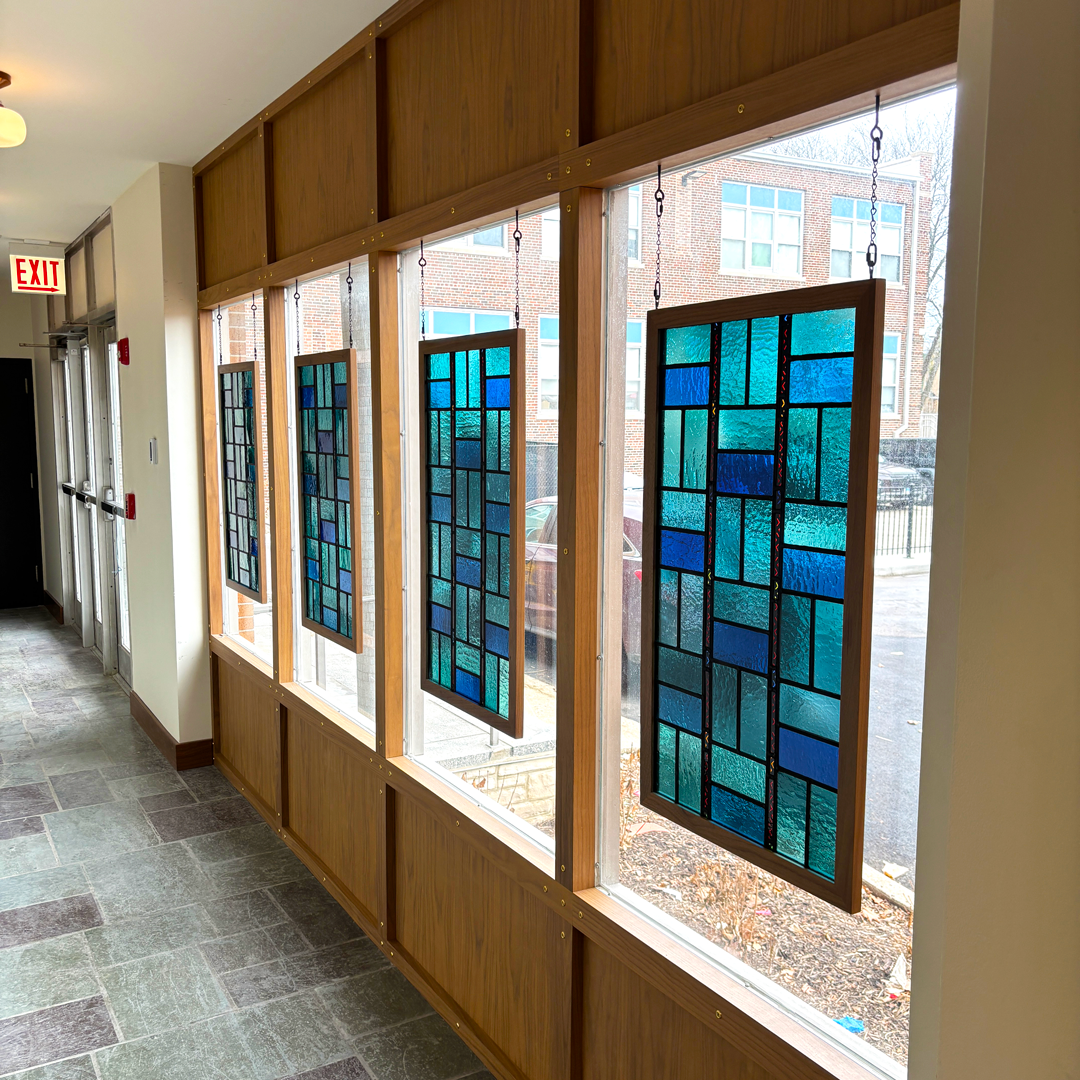
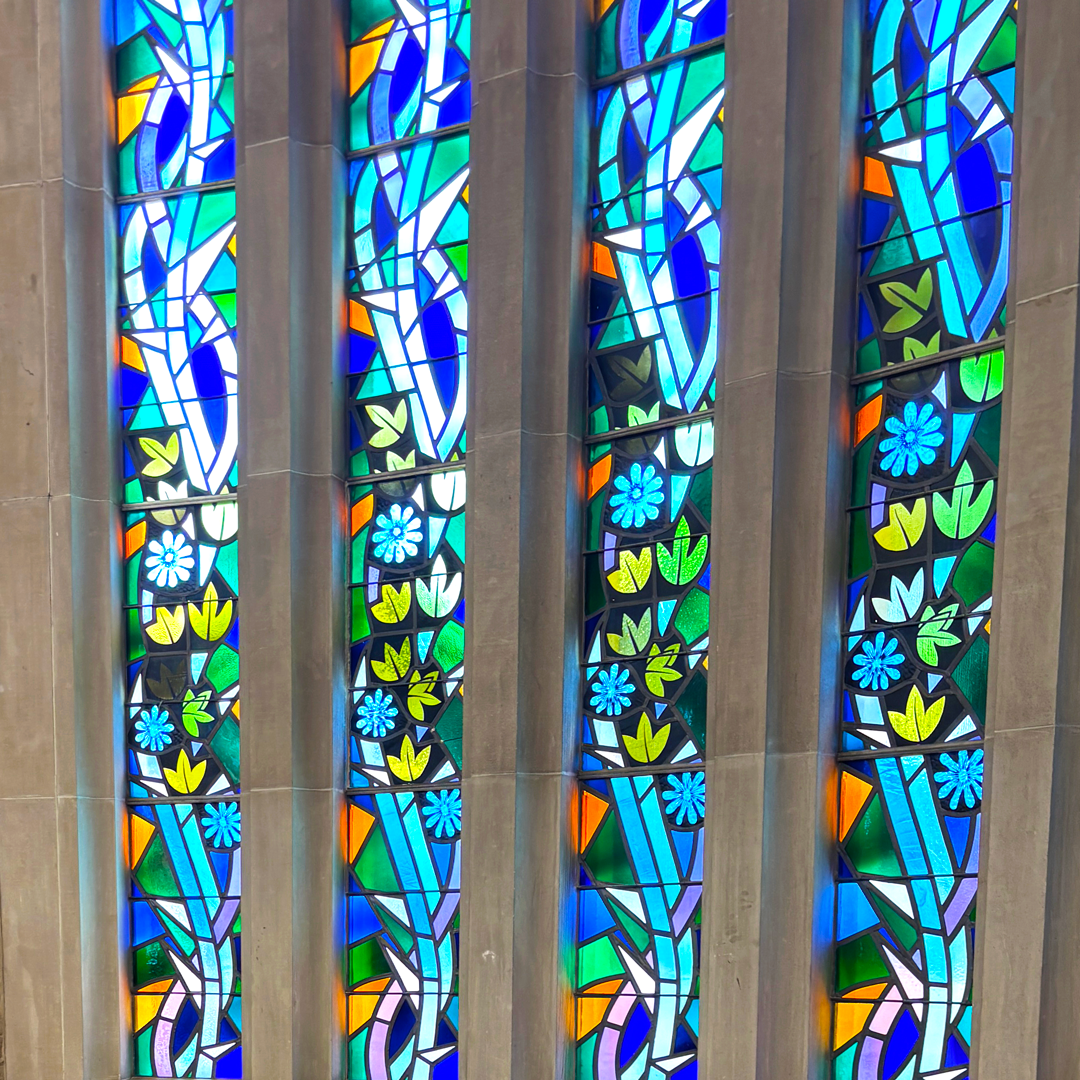
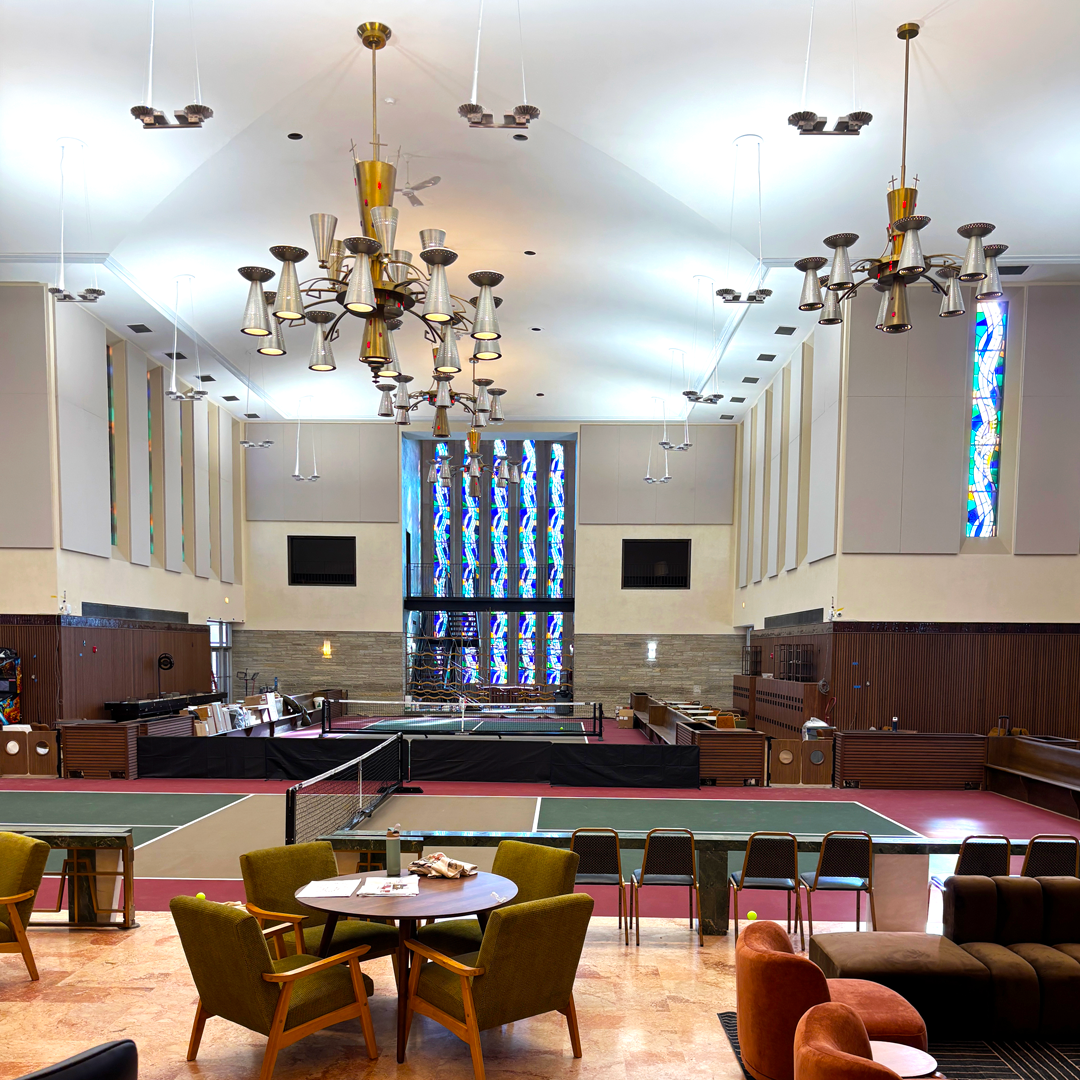
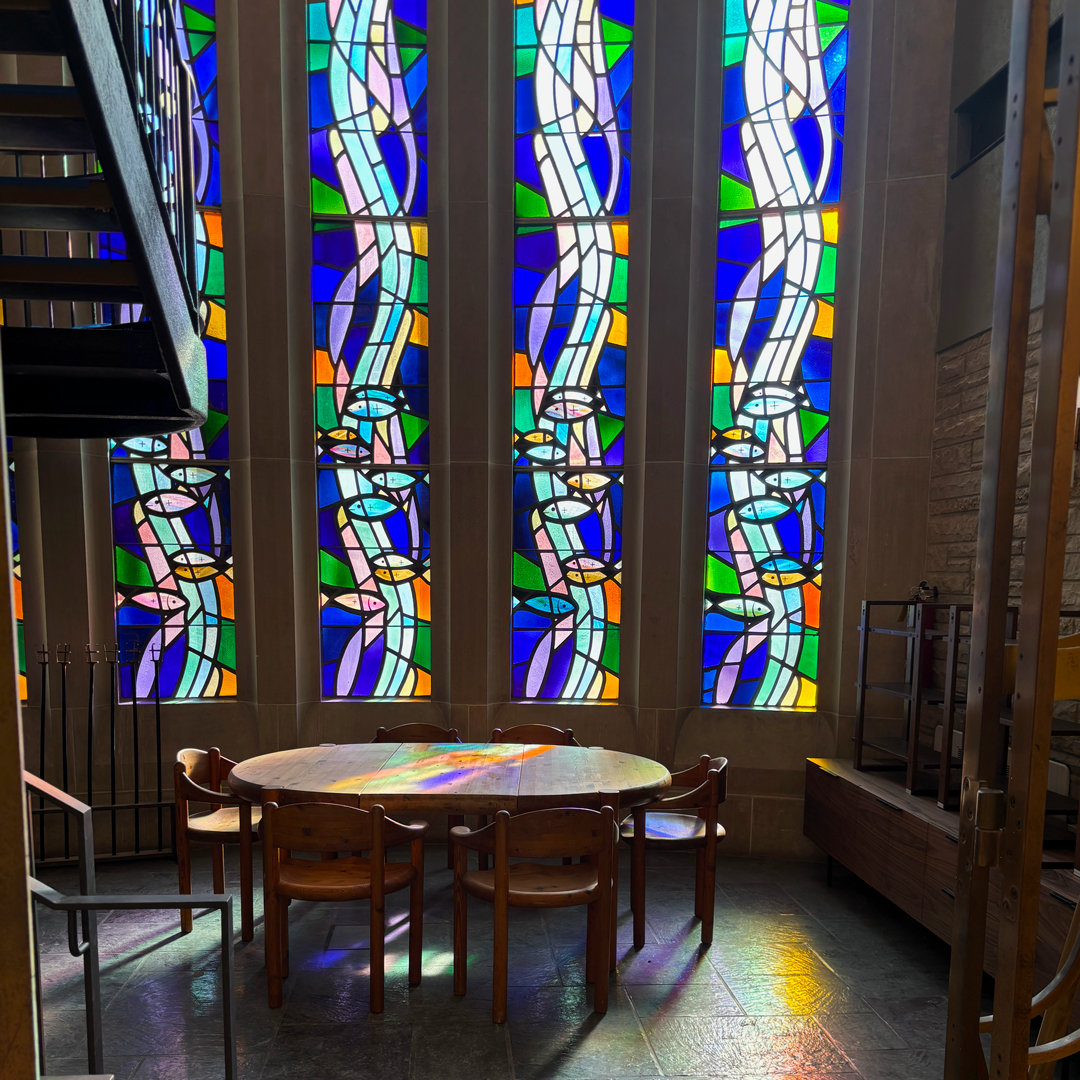
Our current project, Church Club in Jefferson Park, Illinois, lives inside the former St. Cornelius Catholic church. The building is being transformed into an indoor pickleball club opening in early 2026, with courts, a lounge, and a kitchen layered into the existing architecture.
The challenge was never how to change the space.
It was how to let it continue.
From the beginning, removing the stained glass was never an option. The chandeliers remain. The height remains. The verticality remains. Instead of neutralizing the building’s identity, the design works alongside it, allowing recreation and reverence to coexist without irony.
Sport is energetic and social. A church is contemplative and still. Rather than softening either identity, we allowed the sacred and the social to exist side by side. Movement under quiet light. Conversation beneath something once meant for silence.
We are less interested in converting buildings than in extending their emotional life, a philosophy that often guides how we approach long-lasting hospitality environments.
Stained Glass as Atmosphere
At the same time, we found ourselves returning repeatedly to the Design Museum of Chicago exhibition New Light: Contemporary Experiments in Stained Glass.
Not for historical reference, but for permission.
The exhibition reframes stained glass away from decoration and toward atmosphere. Color becomes spatial. Light becomes material. The room shifts throughout the day without anything physically moving.
That idea directly informs Church Club. The stained glass is not treated as a preserved artifact. It becomes an active participant in the experience of the space. Morning courts feel different than evening lounge hours. Weather changes the interior mood. Players become silhouettes. Conversations soften under colored light.
The architecture performs.
Much of contemporary hospitality design is moving in this direction, away from static aesthetics and toward environments defined by material and sensory change rather than visual trends.
Participation Changes Space
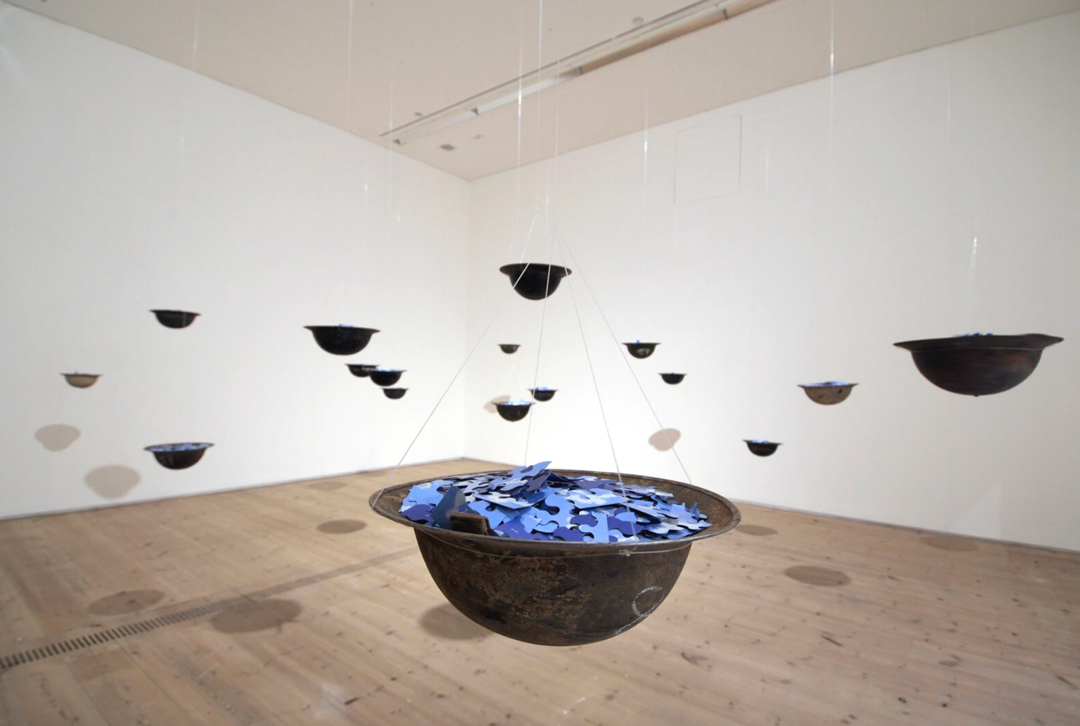
Yoko Ono: Music of the Mind
‘In participatory art, the visitor alters the meaning moment to moment.’
While working on Church Club, we also visited the Museum of Contemporary Art Chicago to see Yoko Ono: Music of the Mind.
The exhibition is not primarily visual. Many works exist only once the viewer completes them. Instructions become artwork. Imagination becomes material.
The space changes because the visitor changes it.
That idea feels unexpectedly connected to designing a place meant for play. A pickleball court is not an object you observe. It only exists when people move through it. Sound, motion, and social energy are the architecture as much as walls or lighting.
In the church, the stained glass alters light throughout the day. In participatory art, the visitor alters the meaning moment to moment. Both reject the idea of a fixed environment.
They require presence.
Rather than designing a static interior, Church Club becomes a setting that depends on occupation. The building holds memory, but people activate it. The atmosphere is not installed once. It is continually produced.
Sound Sets the Pace
Recently, we have also been listening to Telos by Zedd while working through spatial layouts.
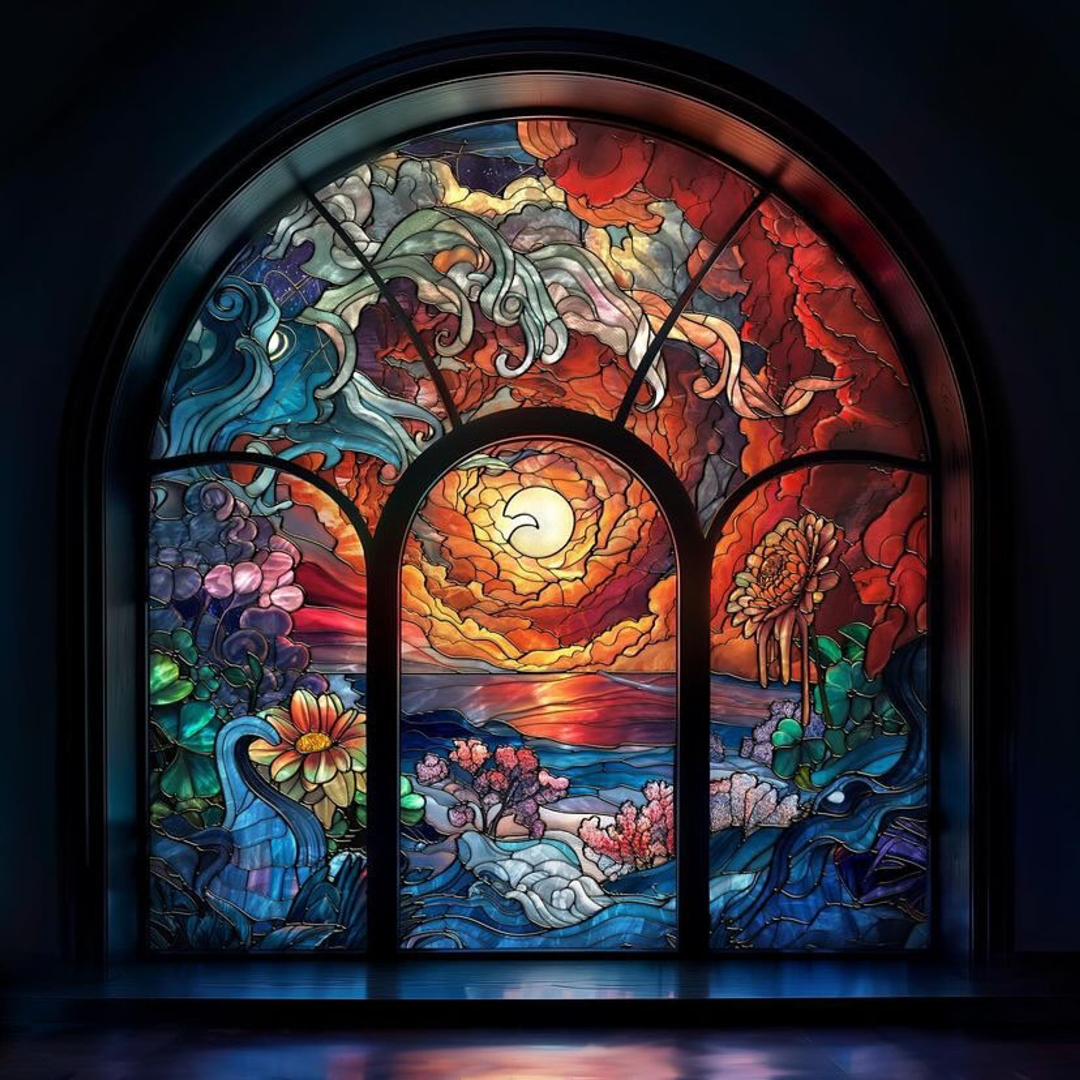
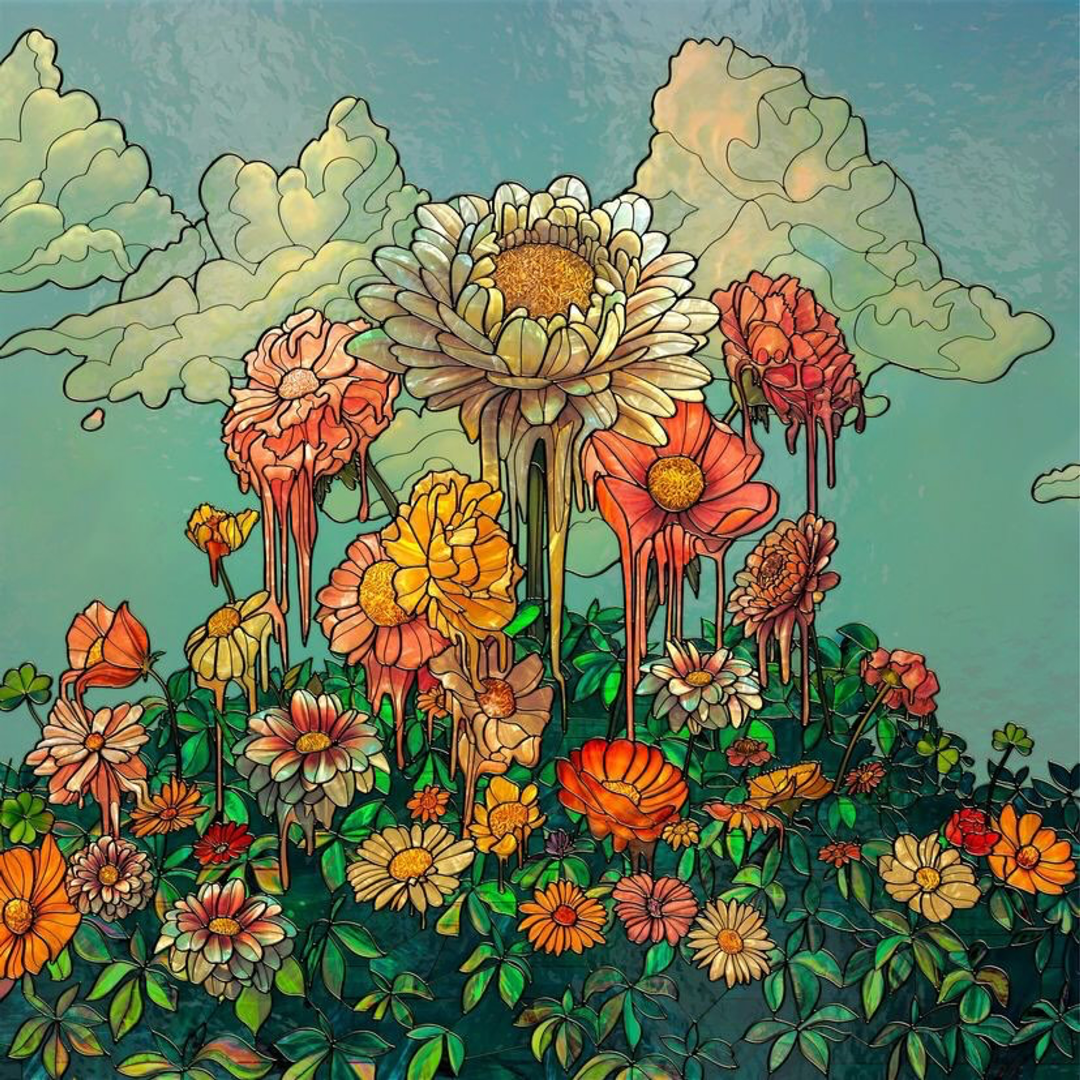
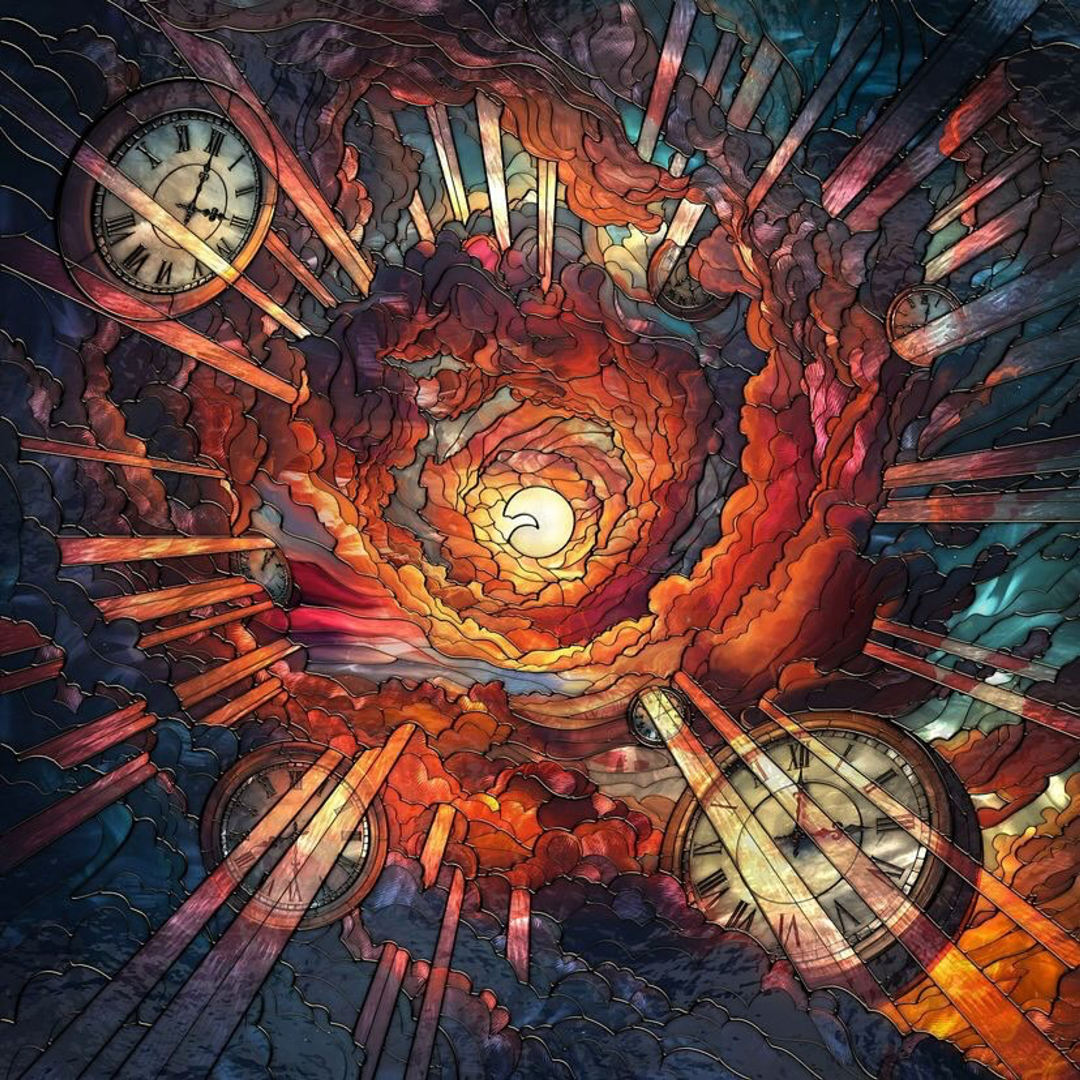
The album artwork references stained glass, but what interested us more was its structure. The music moves between intensity and stillness without fully settling into either. Energy builds, releases, and rebuilds. You feel movement even when standing still.
That rhythm feels similar to designing a social interior.
A club is never experienced all at once. It unfolds in cycles. Arrival, activity, pause, conversation, return to motion. Pickleball courts generate bursts of sound and silence in repeating intervals. The lounge absorbs that energy, then sends it back.
Sound, like light, shapes behavior. It determines how long people stay, how loudly they speak, and how quickly the room feels full.
In that way, atmosphere is not only visual. It is temporal.
Designing for Emotional Memory
We often talk about texture and material, but lately we have been thinking more about memory.
People rarely recall every object in a room. They remember how it behaved around them. The tone of the light. The rhythm of activity. Whether conversation felt natural.
Spaces with history already hold emotional information. Our role is not to overwrite it with a new concept but to give it a second narrative that can exist alongside the first.
Church Club works because the building still feels like a church. The activity simply changed.
This idea sits at the center of objects matter, but experience determines whether a place lasts in memory.
What Is Inspiring Us Right Now
Right now we are drawn to:
Buildings that keep their previous lives visible
Materials that shift throughout the day
Color created by light instead of paint
Spaces that hold multiple emotional speeds at once
Design that allows people to behave differently without telling them to
We are less interested in spectacle and more interested in resonance.
Some spaces ask for attention. Others stay with you.
We explore ideas like this regularly through The Siren Call as we continue documenting the evolving relationship between atmosphere, behavior, and interior design.
