
Inside Eaves: Adaptive Reuse Hospitality Design at Chicago’s Lyric Opera House
Some buildings ask you to listen before you design.
The Lyric Opera House in Chicago is one of them.
Its scale, history, ornament, and cultural presence are not details to work around. They are the starting point. When Siren Betty Design began working on the interiors for Eaves and The Florian, the goal was not to make the building feel new. It was to use adaptive reuse hospitality design to help the building feel alive again, inviting a new generation of guests into one of Chicago’s most iconic cultural landmarks.
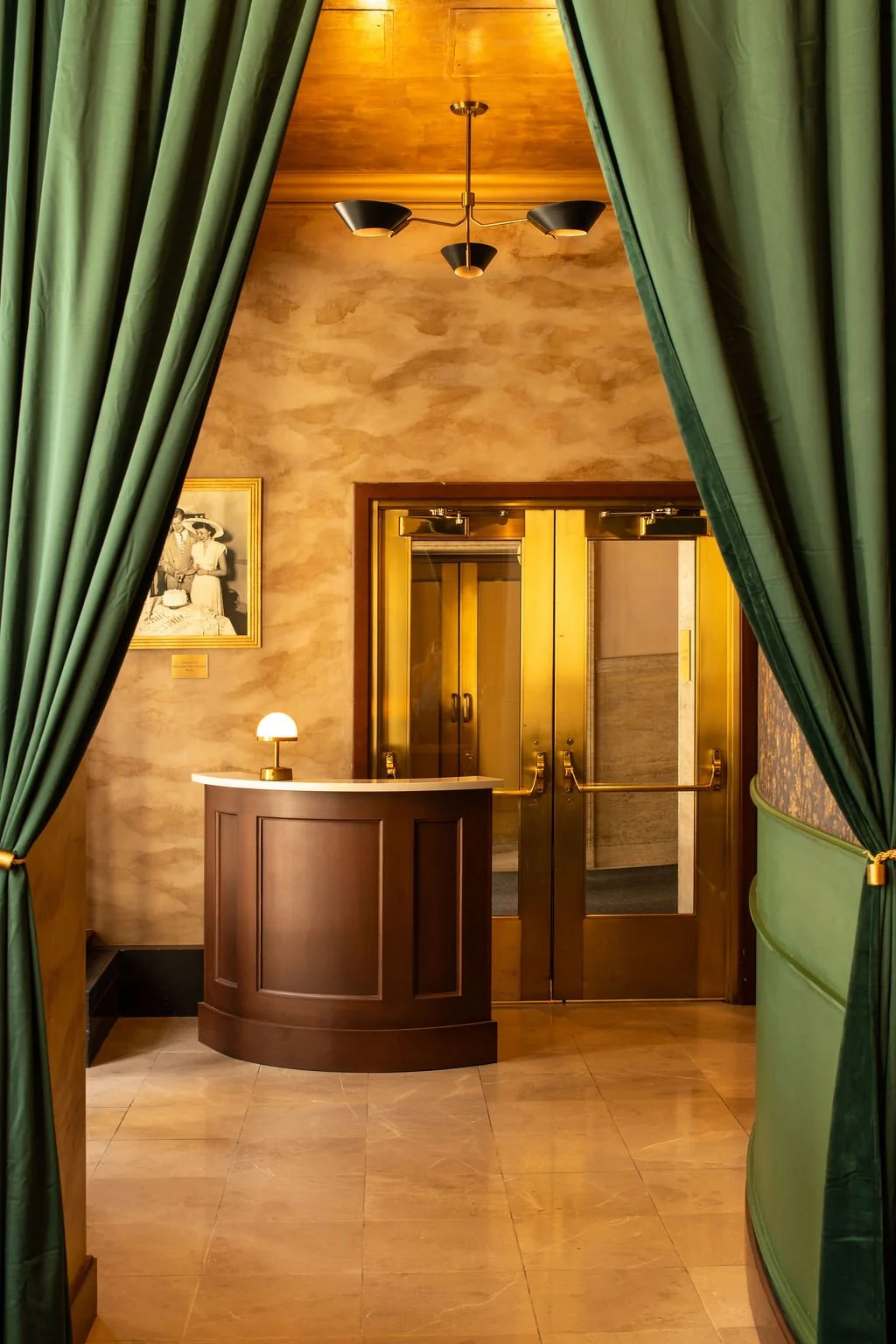
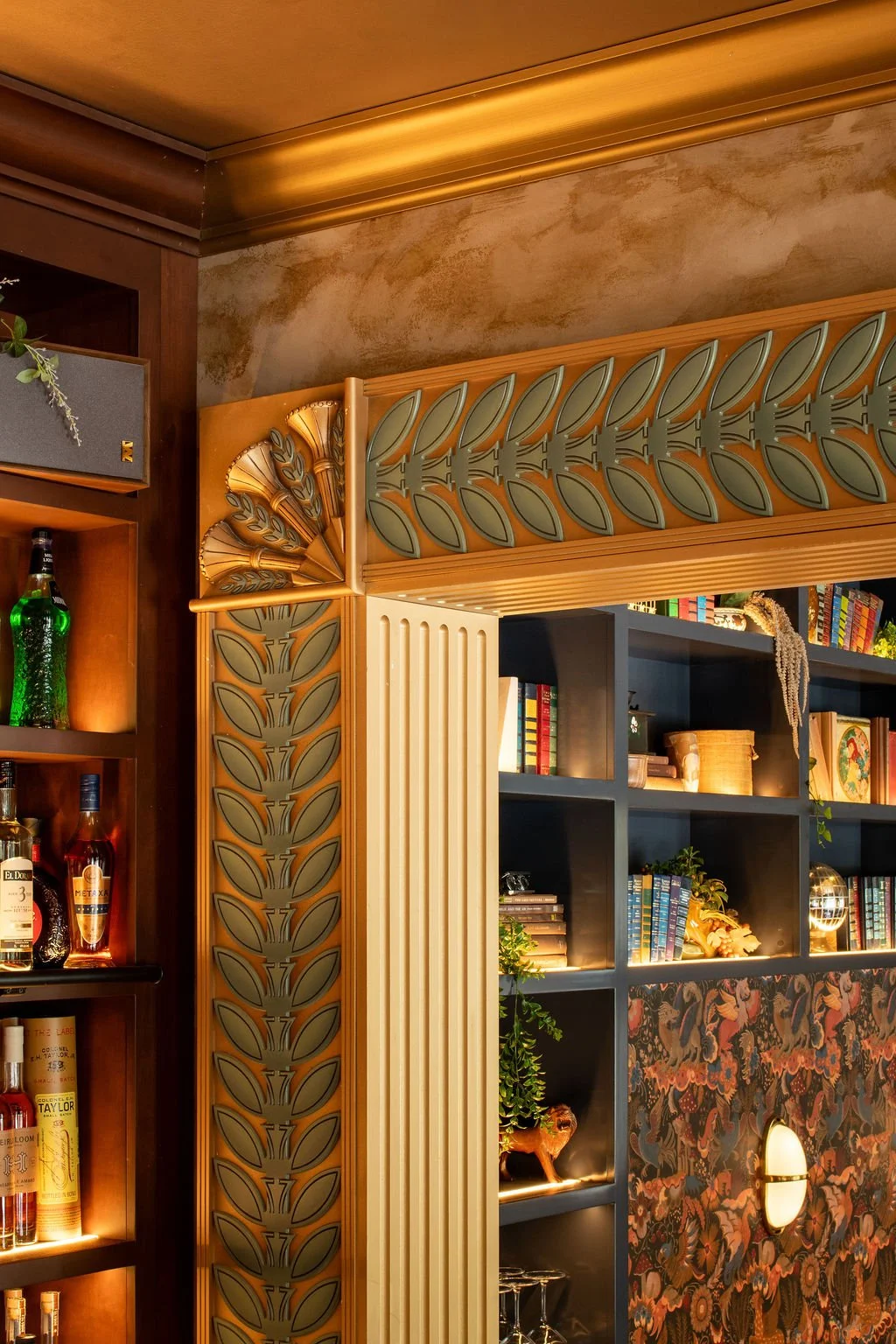
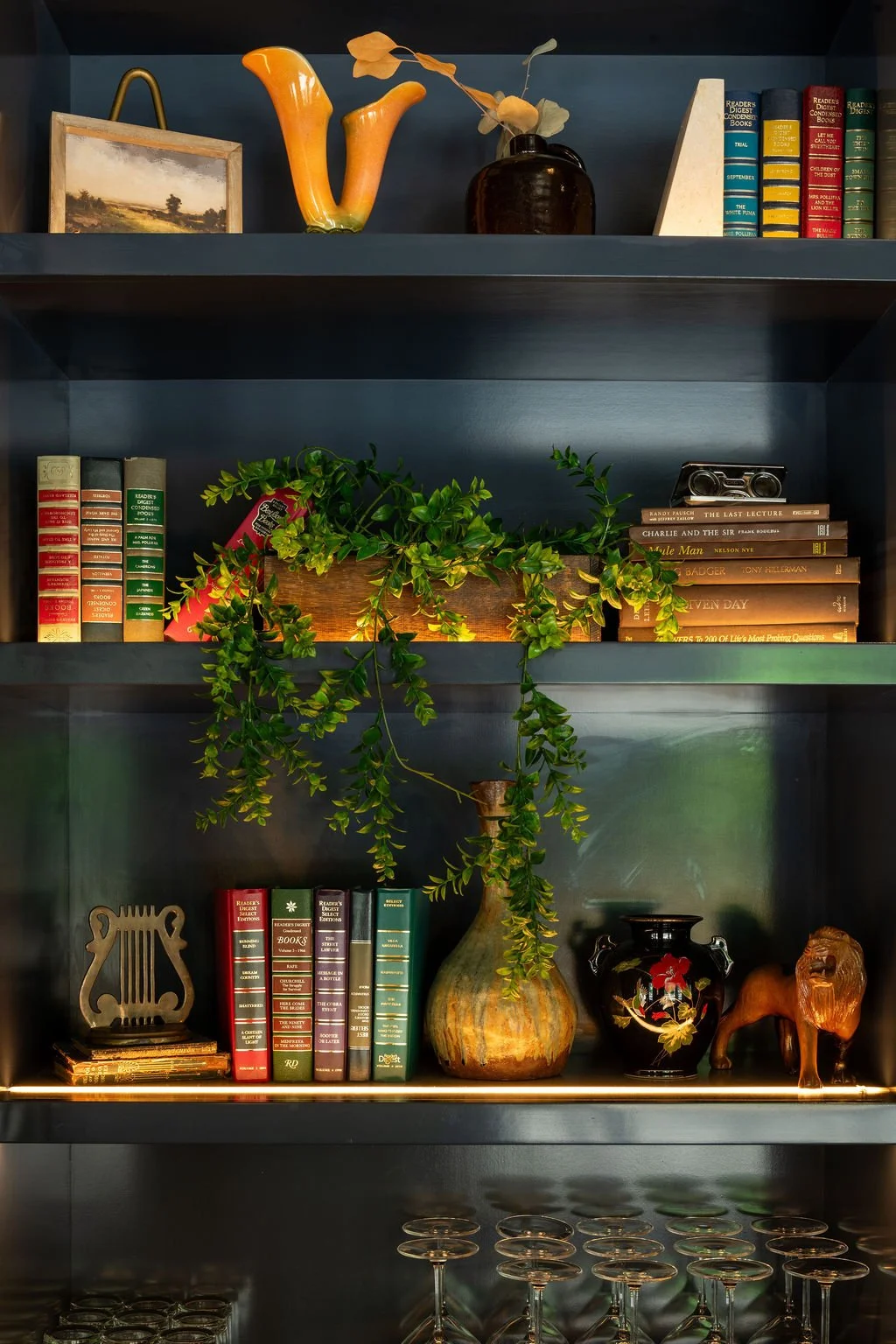
At Eaves, the room already had a story. The decorative architectural eaves that inspired the restaurant’s name gave the design a natural place to begin. Rather than covering up that history, the interiors lean into it. Rich millwork, layered texture, intimate lighting, and tailored details create a restaurant that feels connected to the Lyric Opera House without feeling trapped in the past.
That balance mattered.
A restaurant inside the Lyric Opera House cannot feel generic. It has to understand where it is. It has to carry a bit of the theater’s romance while still working beautifully for lunch, cocktails, dinner before a performance, or a spontaneous drink after work. It needs to welcome opera patrons, downtown professionals, travelers, and Chicagoans who may be discovering the building from the sidewalk for the first time.
That is where adaptive reuse and hospitality interior design become more than decoration.
Adaptive Reuse Restaurant Design Rooted in Place
For Eaves, the vision was to create a space that felt storied from the beginning. Not overly polished. Not overly themed. Just layered, inviting, and quietly theatrical. A place where the architecture does some of the storytelling, and the interiors soften the room into something people can truly inhabit.
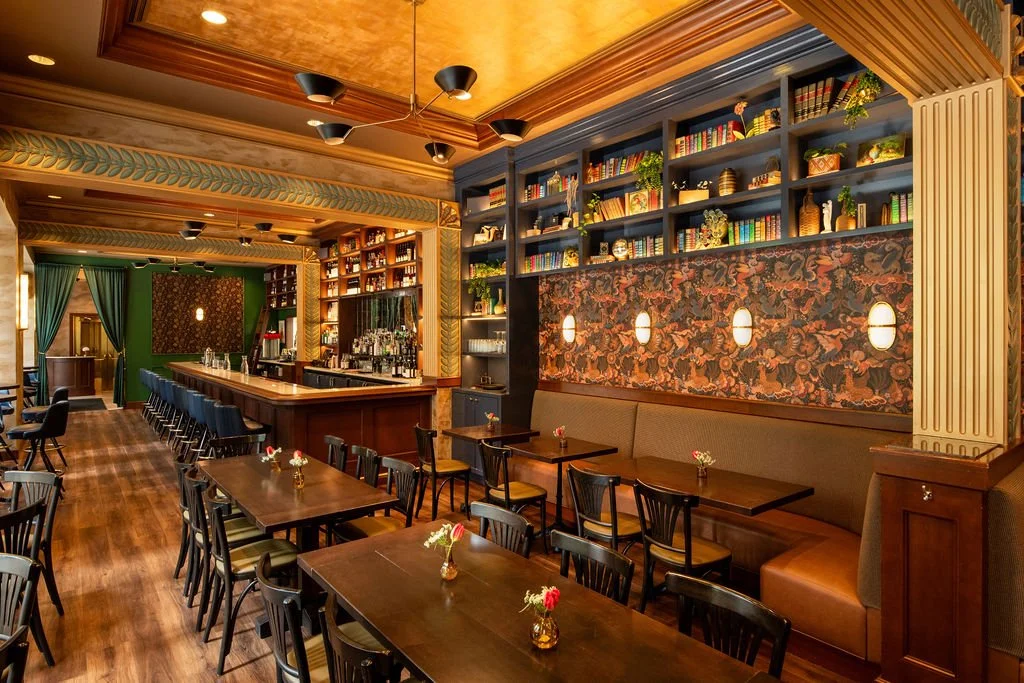
The palette and materials bring a Southern European sensibility into conversation with Chicago’s architectural grandeur. There is richness without heaviness, detail without fuss, and intimacy inside a building known for its scale. The result is a restaurant tucked into history while still very much part of the city now.
This is what thoughtful adaptive reuse restaurant design can accomplish. It preserves the character that makes a historic building irreplaceable while creating an experience that feels relevant to contemporary guests.
Upstairs, The Florian carries that conversation in a different direction.
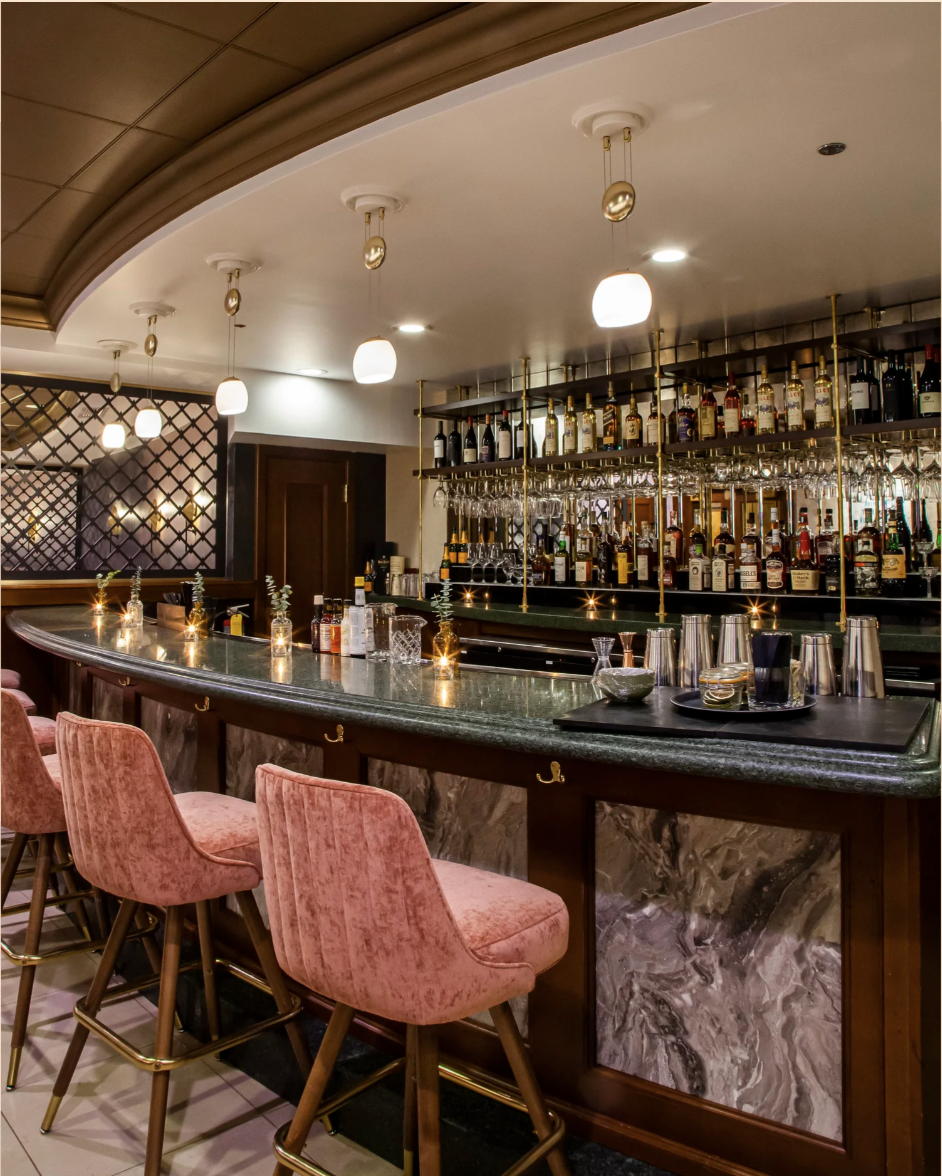
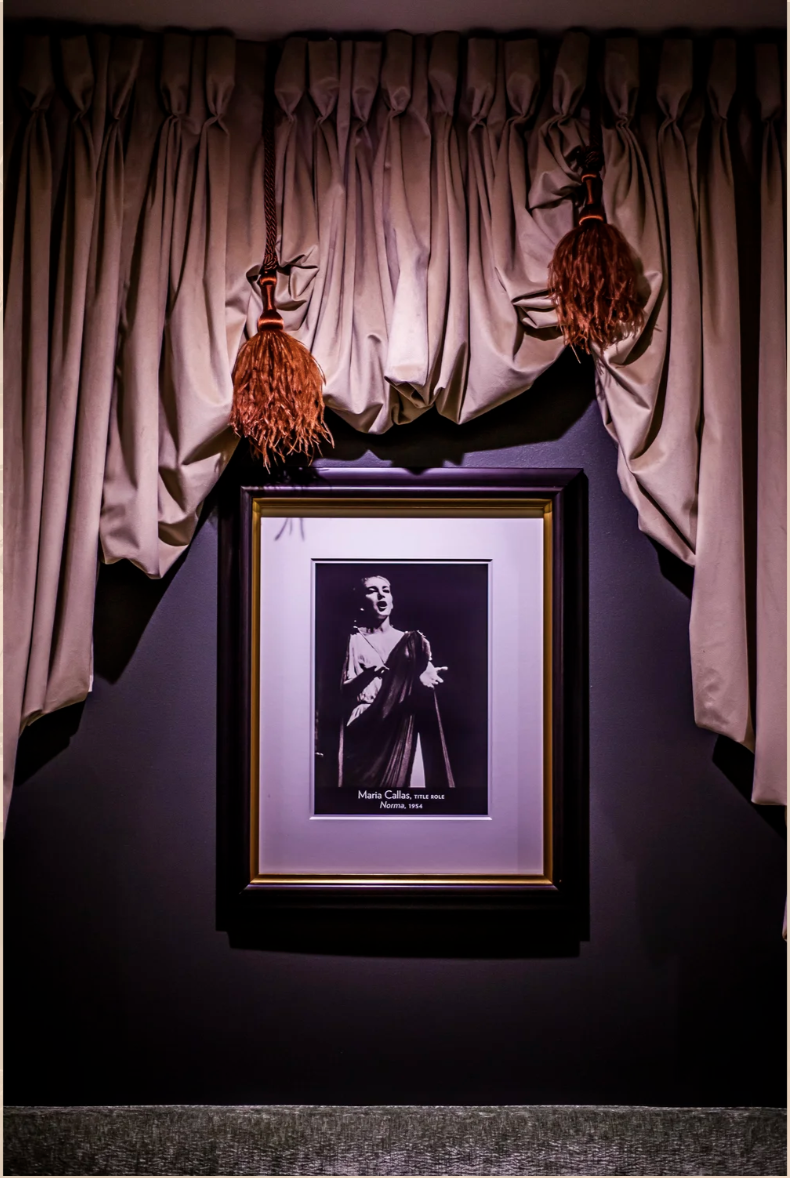
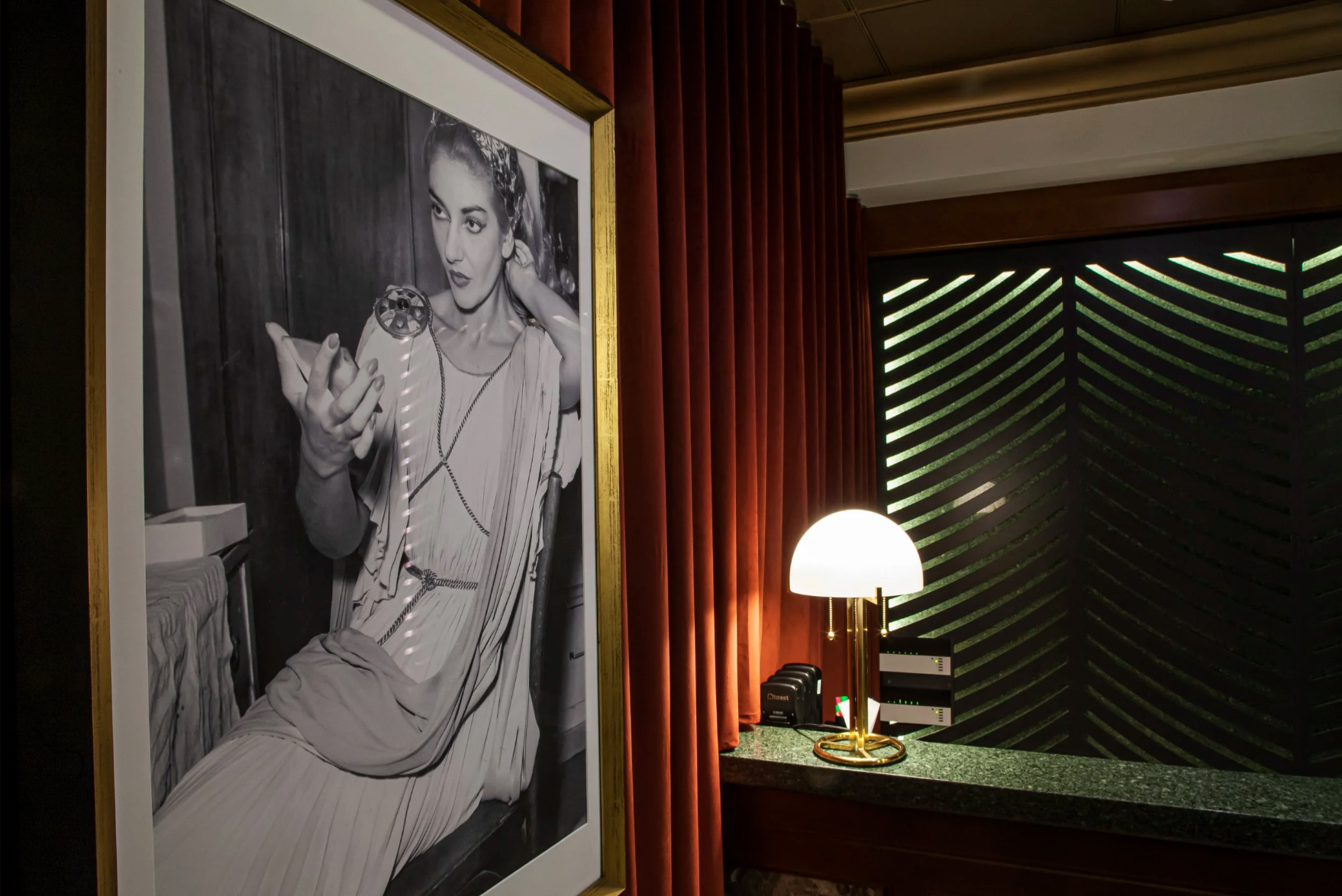
Located on the third floor of the Lyric Opera House, The Florian reimagines the classic supper club through the lens of performance, nostalgia, and Chicago glamour. The design draws from Lyric’s own archives, including playbills, costumes, stage sets, and the theatrical legacy of the building itself. Drapery, tassels, rich color, portraiture, and cinematic lighting shape a dining room that feels both intimate and grand.
Together, Eaves and The Florian give the Lyric Opera House two distinct hospitality experiences.
Eaves is the first-floor invitation: lively, approachable, and open to the city.
The Florian is the upstairs escape: more dramatic, more intimate, and deeply connected to the ritual of performance.
Both spaces speak to an idea we return to often at Siren Betty Design: historic buildings do not need to be frozen in time to be honored. They need to be used. They need to be felt. They need to become part of people’s lives again.
Creating New Rituals Inside Historic Buildings
That is the opportunity of adaptive reuse in hospitality design. It is not only about preserving what was there. It is about creating new rituals inside old walls. A lunch at the bar. A glass of wine before the curtain. A table after the show. A room someone remembers because it could only exist in that building, in that city, at that moment.
For us, that is where design becomes most powerful.
Eaves is a reminder that adaptive reuse can reopen more than a room. It can reopen the relationship between a historic building and the people who move through it. Through thoughtful restaurant interior design, a landmark can feel less distant, more generous, and more alive.
At the Lyric Opera House, the stage is no longer the only place where the evening begins.
Eaves is not simply a new restaurant opening in Chicago. It represents the return of public life to a historic room inside one of the city’s most beloved cultural buildings, showing how adaptive reuse hospitality design can preserve a meaningful past while making room for what comes next.
